17 August
15 min read
How to Heat Your Rental Campervan in Iceland


22 December 2025
8 min read
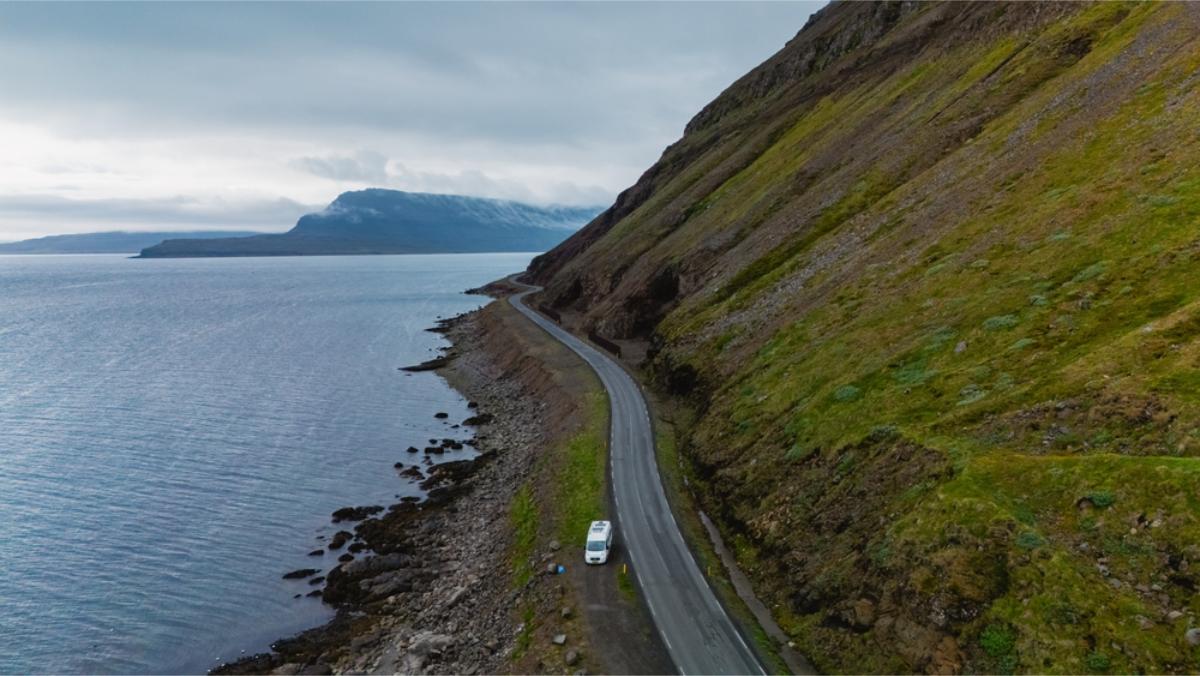
Google Maps draws neat lines. Reality draws black ice, blind hills, and sheep blocking traffic. Iceland's roads are not the polite highways you know. They shift from smooth asphalt to gravel teeth, then vanish into river crossings that laugh at rentals..
Tourists find out too late. This guide pulls no punches. Forget brochure promises of ‘easy driving.’ We cover what locals actually watch for: storms, closures, and the wrong car on the wrong road. If you want to plan a trip without wrecking your nerves, keep reading. The Ring Road is only the start.
First things first, you need to know the basics. Some roads here will carry you around the island with ease; others punish mistakes fast. If you plan to rent a campervan in Iceland or rent a motorhome, knowing which roads are safe and which ones are not is the difference between a smooth trip and a costly disaster. Here are some basics about the different Icelandic roads.
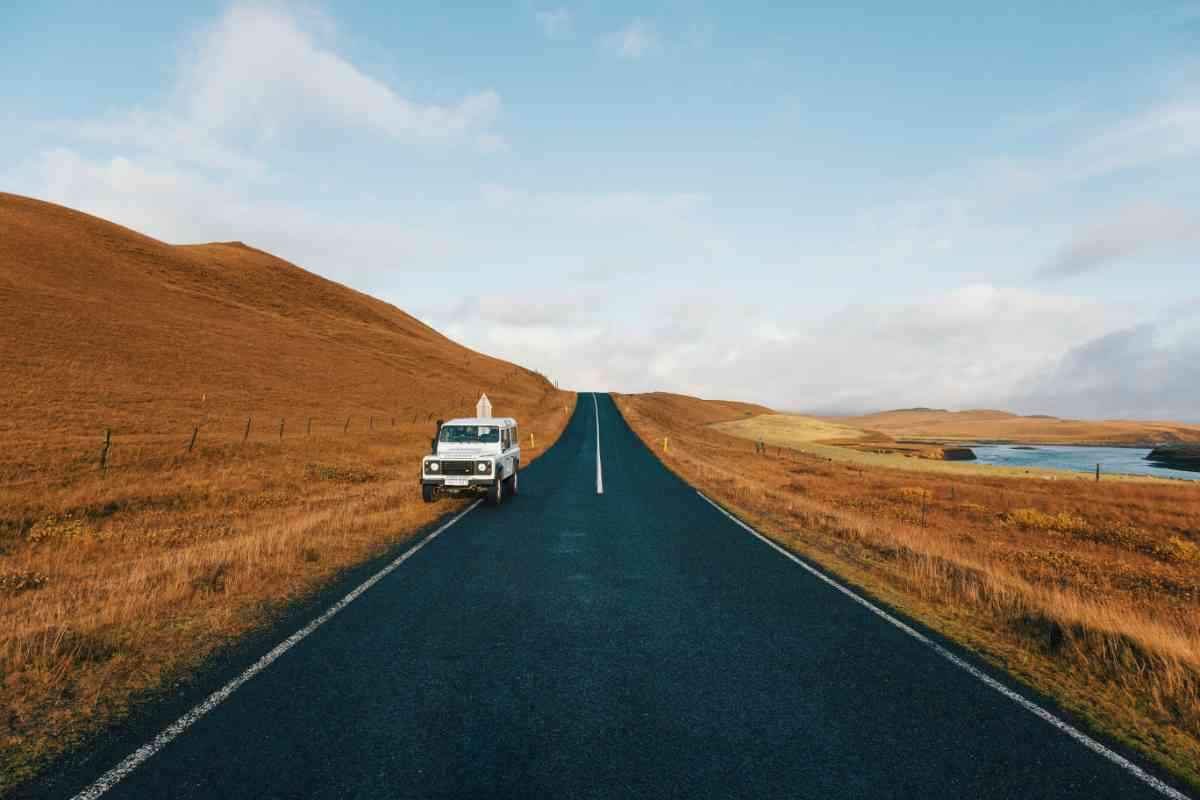
The Ring Road is Iceland’s spine. Officially named Route 1, it runs 1,322 km (822 mi) around the island, connecting towns like Reykjavik, Akureyri, Egilsstadir, Hofn, and Vík.
Services line the way, with N1, Olís, and Orkan fuel stations about every 100 km (62 mi). Maintained year-round, the road stays open more often than not. Still, sudden storms can trap anyone. It’s also worth noting that although it’s mainly paved, there are a few gravel patches, but a normal 2WD vehicle is sufficient if you plan to stick to this route.
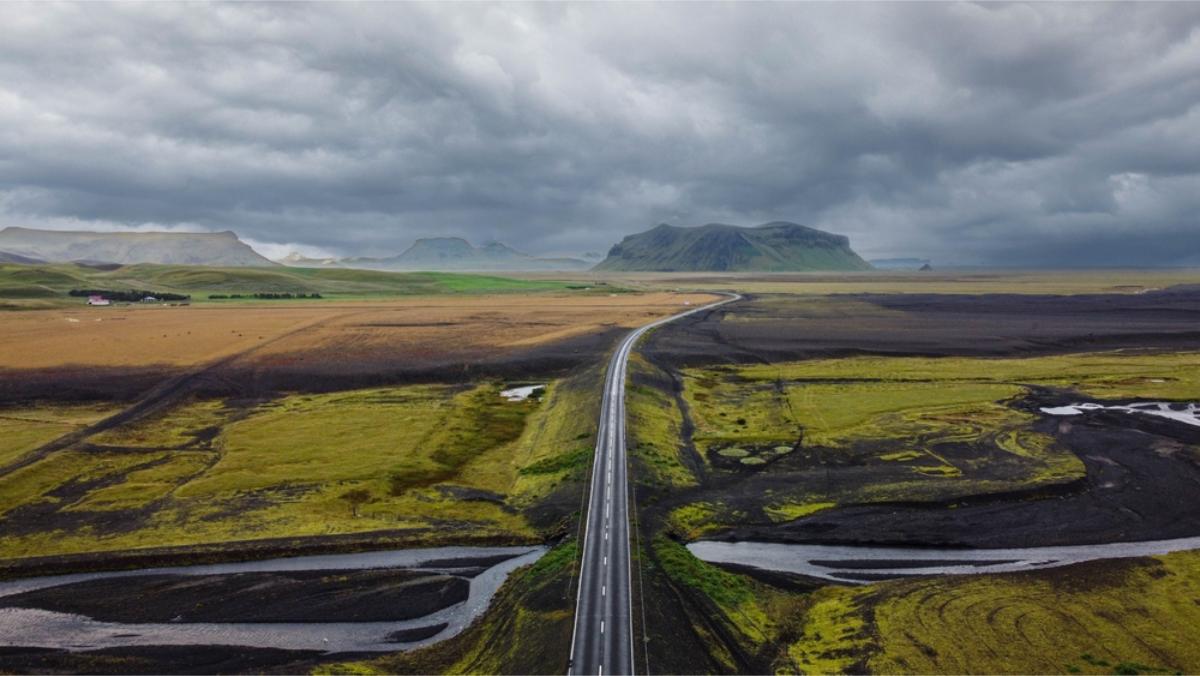
Not every Icelandic road is as straightforward. Some roads have weird numbers attached. Two-digit roads, usually marked 10 to 99, are paved and well-maintained. They branch off the Ring Road and connect smaller towns or big-name sights.
Driving feels smooth most of the time, though the Westfjords throw in narrow climbs that will test your patience. Three-digit roads, numbered 100 to 999, are a whole other story. They are gravel. They snake into villages, farms, and forgotten corners. Find out more about gravel roads in Iceland here.
F-roads in Iceland map straight into the Highlands and connect directly with the Ring Road. Spotting them is simple: the road sign carries an ‘F’ before the number, like F35. Do not confuse that with Route 1, which is paved.
These tracks are narrower and far less maintained than the main network. Most start as gravel but quickly shift into rough surfaces the deeper you push inland. Expect bumps, ruts, and an unforgiving ride. They are not shortcuts. They are the raw, rugged paths that demand patience, a capable vehicle, and respect for Iceland’s interior wilderness.

Iceland roads change with the seasons more than most of you might think. Here’s what you need to know.
Summer driving feels almost easy. Asphalt and gravel stay clear, no ice waiting to trip you. Winter flips the script. Roads vanish under snow and ice sheets, daylight shrinks to 4 to 7 hours, and visibility drops into fog and blizzard whiteouts.
F roads in Iceland are open for just a short season. Most open mid- to late June once the snow and rivers calm down, and they shut again by early September. Timing changes every year, depending on the melt and weather.
Iceland's weather is unpredictable on purpose. Storms, sandblasts, floods, take your pick. Live updates at Vedur.is and Umferdin.is are your lifeline. And remember the golden rule: if locals park it, so should you.
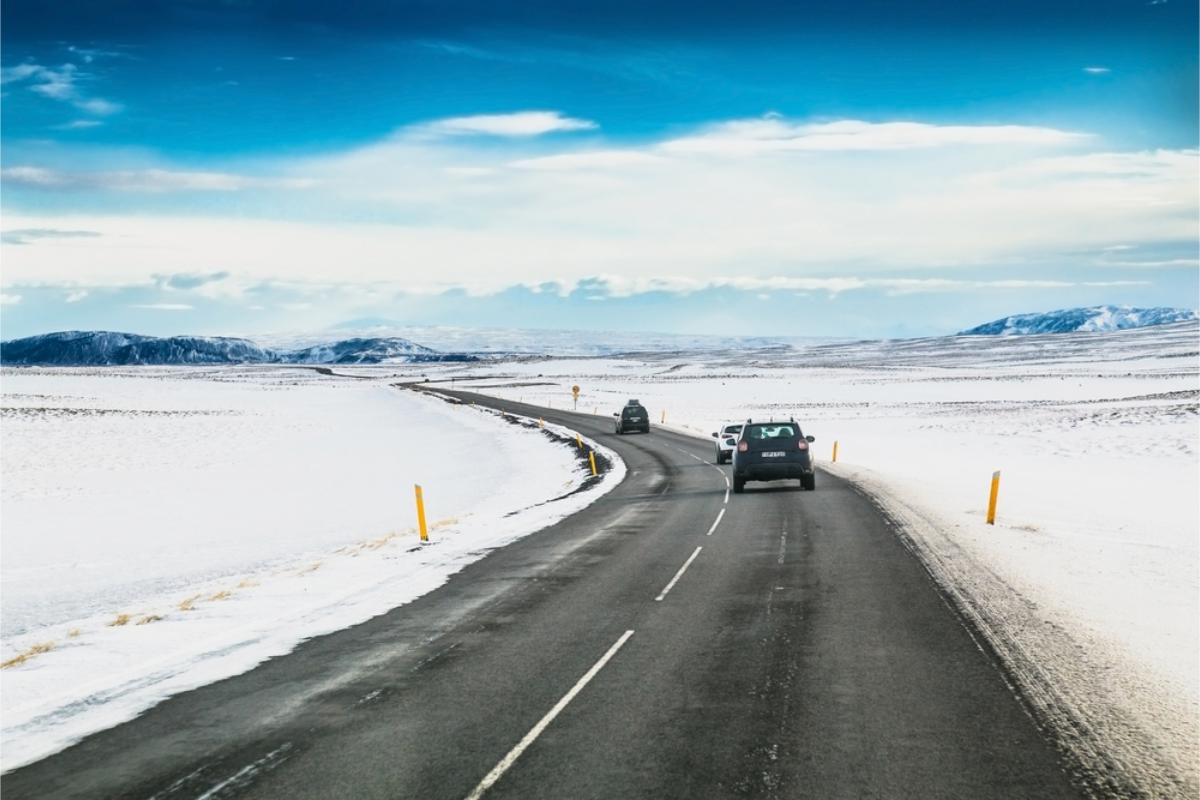
Skip this section if you enjoy wrecking rentals or freezing at night. Picking the wrong setup ruins trips fast. Here’s what you need to check before hitting Iceland’s roads.
A 2WD camper is fine for the Ring Road in summer. But once winter hits or you plan to touch any F-roads, a 4x4 stops being optional. Aim for at least 18 cm (7 in) clearance and a high air intake, because rocks and rivers will punish anything less. The traction keeps you moving, and the clearance saves you from turning the undercarriage into scrap metal.
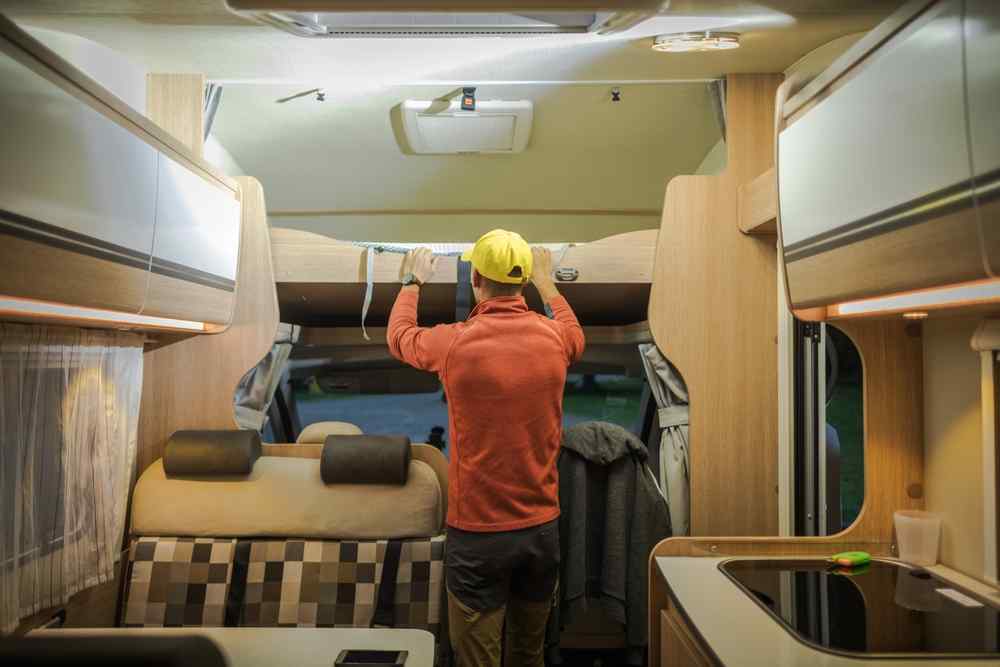
Insulation decides if you sleep or shiver. Foam boards, spray foam, whatever works to seal the walls, floors, and ceiling. Heating is non-negotiable once the nights turn cold. Layout matters too; nobody enjoys sleeping cramped. If you rent through us, our campers come with isolated fiberglass walls designed for the brutal roads in Iceland.
Gravel and volcanic ash are quite common here. Our complimentary CDW insurance will not cover that kind of damage, which means one unlucky gust can cost you. River crossings are another blind spot, with water damage excluded across the board. For this reason, we recommend you always add sand and ash protection.
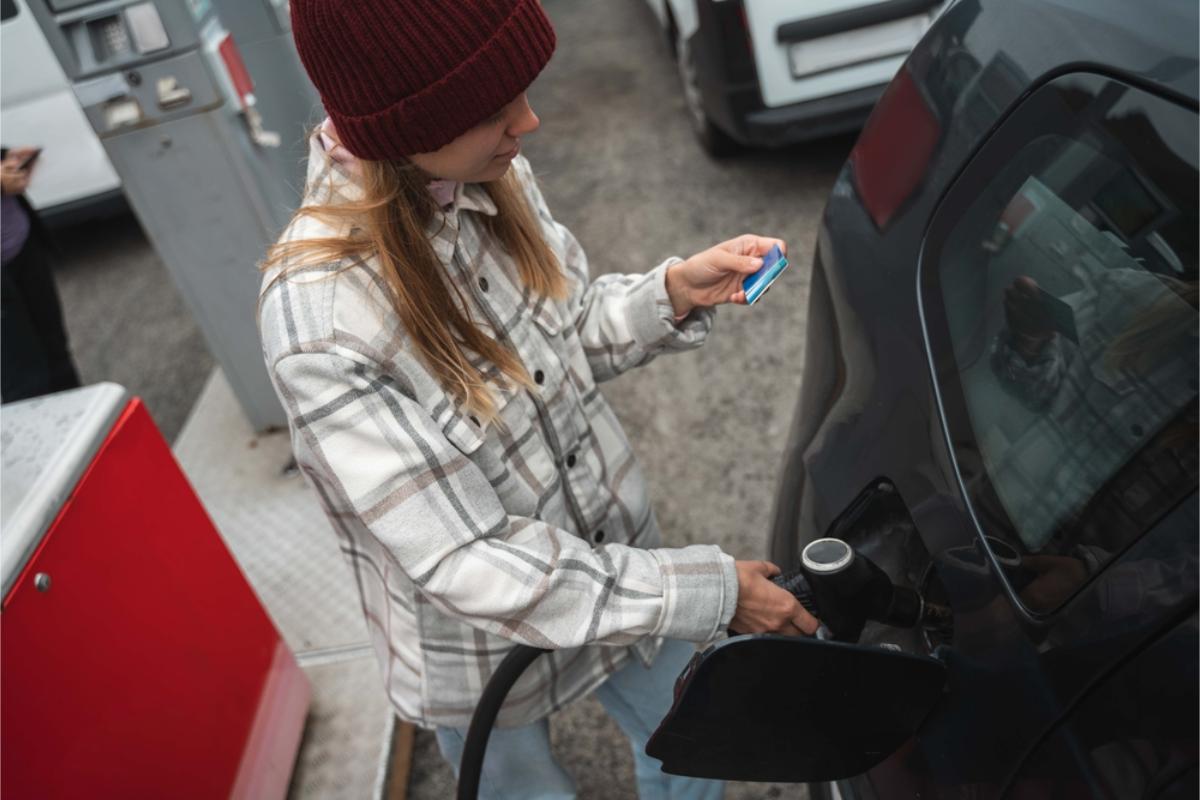
A road in Iceland without fuel nearby can ruin your day. Gas stations thin out in remote areas, so fill up often. Charging points exist, but vanish once you leave the Ring Road. Bring the basics: a gas stove, a heater, a foldable table, and chairs. They turn a cold parking spot into a camp worth stopping at.
Like most of Europe, our traffic laws are pretty much the same. However, there are a few quirky laws that might be different. Here’s the most important one to keep in mind:
Iceland’s speed limit in urban streets is 50 km/h, on rural paved roads 90 km/h, and on gravel roads 80 km/h. Our road signs will warn of sheep that wander onto the road and blind rises that demand you slow down. One-lane bridges and tunnels also show up often, and you are expected to know who yields.
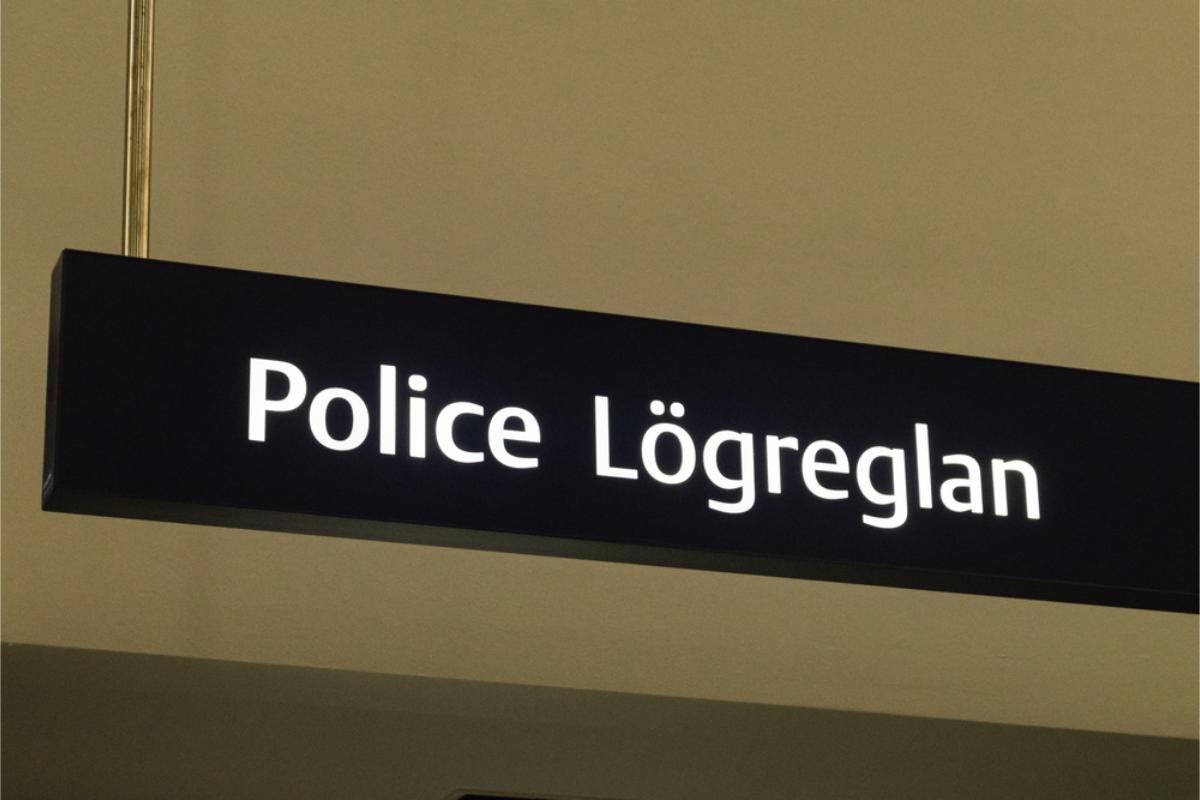
Headlights stay on, even when the midnight sun makes it feel pointless. It is not about light; it is about being seen through fog, rain, or sudden glare. Seatbelts are not negotiable. Every bump, sheep, or patch of ice can turn minor slips into real crashes. Police do check out for this, so be warned.
The shift from asphalt to gravel is where most visitors mess up. Tires lose grip, stones fly, and suddenly the road feels alive under you. Slow down, stay alert. Single lane bridges follow simple logic: first in, first across. In tunnels and blind rises, patience is survival. Pushy driving is pointless here..
Download the 112 Iceland app before your plane even lands. It connects you to rescue if things go badly. If a snowstorm pins you down, never wander outside. The car is shelter, and leaving it is how people get lost to hypothermia. Pack a few basics: water, snacks, a charger, and warm layers. Check the weather before you start, then check again mid-drive. The sky changes faster than your phone’s battery.
Roads in Iceland are straightforward on paper, but the real art is knowing which ones are worth your time. A good itinerary keeps you moving without rushing past the best stops. Use maps to spot detours to hidden hot springs, lava fields, or turf churches tourists skip. To make it easier, we built detailed routes you can follow or bend to your taste:
That blue sign with a white ‘M’ is not a mystery; it marks a pull-off. Use it to let faster cars pass or to wait your turn on one-lane tunnels, bridges, or narrow stretches.
They are yellow circles with black numbers showing the maximum speed in kilometers per hour. Common limits are 50 in towns, 90 on paved, and 80 on gravel.
Inner lane traffic has the right of way. The outer lane must yield when exiting. This is the reverse of many countries, so visitors often get it wrong.
The Golden Circle is a short loop near Reykjavik with major sights like Gullfoss and Geysir. The Ring Road is a 1,322 km (822 mi) highway circling the entire island.
It takes about one hour to reach the first stop. Visiting Thingvellir, Geysir, and Gullfoss takes two to three hours of driving plus extra time at each site.
Inside this article
More Iceland Stories to Explore
Discover more tips and tales to fuel your next saga
Join thousands who have booked with us
Iceland's most booked campervan of 2025 is waiting. Secure yours today!
Your rental comes with:
Handy Extras
Essential Insurance Plan
Unlimited Mileage
Flexible Cancellation