17 August
15 min read
How to Heat Your Rental Campervan in Iceland


16 February 2026
10 min read
So, you’re planning your first trip to Iceland. You’ve probably read 7 packing lists and watched 4 drone videos by now. Looks easy on Instagram. It isn’t.
Visiting Iceland for the first time is incredible, but it is also expensive, remote, unpredictable, and full of small logistical traps that catch people off guard. These are not your average travel tips. This is the stuff that actually decides whether your trip will be a success or a disaster.
We see it every season. Hundreds of our customers arrive with one plan and leave with a very different story. You learn fast. Or you suffer. That’s why first-timers who rent a campervan in Iceland usually have more control, more freedom, and fewer regrets. Here are our tips for first-timers:
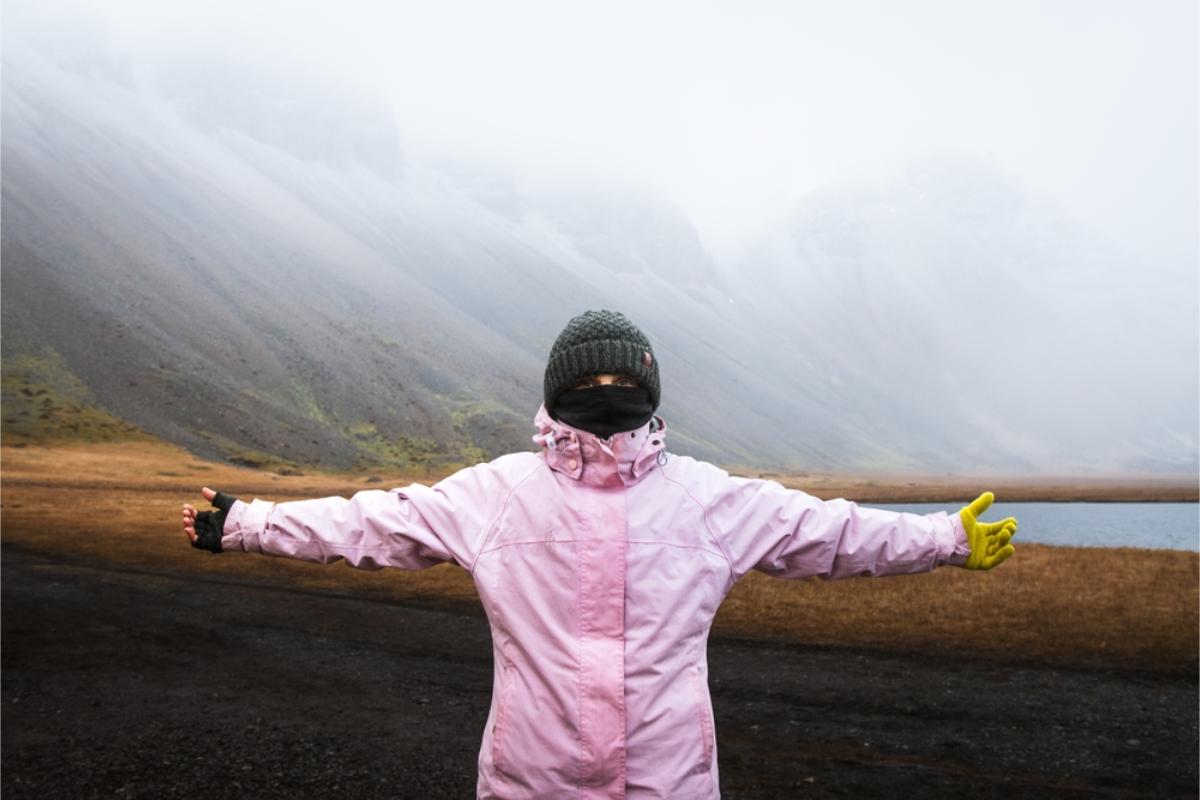
Icelandic weather turns plans into suggestions. Blue skies at breakfast can become sleet, fog, or black ice by lunch. It happens fast. Even in summer, wind speeds can easily reach up to 100 km/h or 62 mph, and hail is not unusual.
When you are locked into fixed accommodation three hours away from better conditions, you sit it out and lose the day. A camper gives you options. You drive toward clearer skies instead of waiting them out.
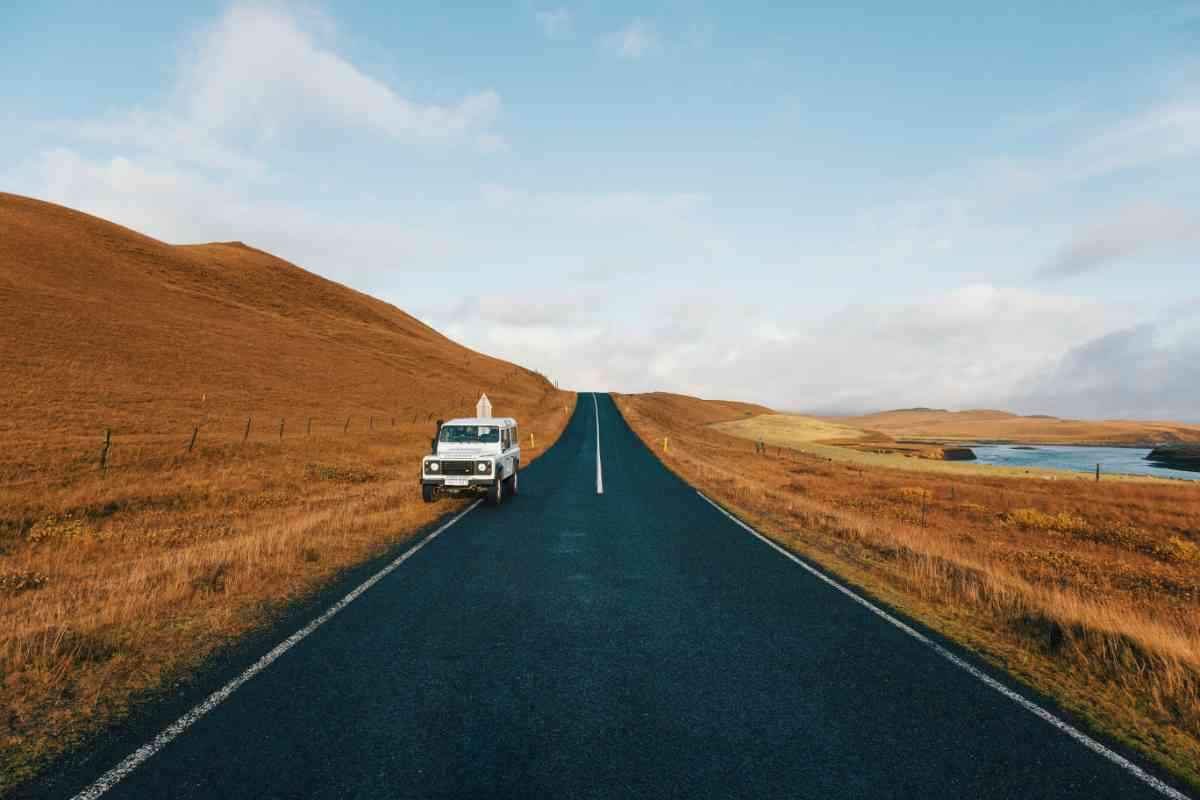
Our vans are built for this reality. Proper tires, insulation, reliable heating, and setups tested year-round by real people, not just during July.

Most first-timers overplan. On paper, it looks doable. In reality, driving in Iceland is slower than expected. Wind, blind hills, single-lane bridges, gravel, sheep, and weather delays will eat your schedule.
If you're locked into hotel bookings, you waste hours backtracking. A campervan solves that. You stop where it makes sense. You sleep close to the next viewpoint instead of racing toward it from 150 km away.
With unlimited mileage included, you can shift your route without doing mental math on fuel and distance. Want to catch the sunrise at Vestrahorn? Stay nearby. Want golden hour at Skógafoss? Easy. You're already there.
You’ve probably been told to book everything in advance. Sounds smart. Until the weather changes. Or a road closes. Or a detour adds three hours to your day. Fixed bookings force you to stick to broken plans.
With a camper, you adjust. You go where the conditions allow. Campsites are far more forgiving than hotels. Most of them don’t need reservations either. You just show up, pay, and park.
Even in winter, several campsites stay open year-round across Iceland. In other words, you don’t have to panic for the fear of losing your deposit. Neither do you have to explain to a guesthouse owner why you’re four hours late and stuck behind a snowplow in the middle of nowhere.

Costs add up fast when you rent everything separately. A typical setup runs you over $500 a day. That’s $90 for a car, $220 for a hotel, $55 per meal, and $35 for gear rental. A campervan compresses all of that into one $165-$275 package.
With Campervan Reykjavik, that price includes unlimited mileage, CDW insurance, a fuel discount card, and free airport pickup. You cook your own meals, shop cheaply at Bónus, and skip the $55 restaurant bill.
Alcohol? Avoid bars. Buy at duty-free or Vínbúðin. Campsites often have communal kitchens with leftover dry goods, too. Now that’s what we call real-world savings.
If you’re visiting Iceland for the first time, forget what you think you know about campsites. These are not empty gravel lots with a cold toilet. There are over 200 registered campsites across the country, and most offer hot showers, indoor kitchens, Wi-Fi, laundry, and heated lounges.
Some have charging stations and drying rooms. When the weather turns, that matters. Many also post updated road conditions or have staff who know what’s open and what’s not. If you’re in a camper, these spots become your reset point. You get comfort, power, and shelter without needing to book a hotel 100 kilometers away.

The best spots aren’t next to hotels. Not even close. Vestrahorn, Fjaðrárgljúfur, Valahnúkur, Bolafjall, Dyrhólaey. You won’t roll out of bed in Reykjavík and casually see any of them. Bolafjall sits 640 meters (2,100 feet) above the Westfjords.
Dyrhólaey rises 120 meters (394 feet) over the South Coast. These places demand time and fuel. Hotels in Vík or Höfn mean 150 to 300 kilometers (93 to 186 miles) of extra driving every day. In a camper, you sleep near the trailhead.
You wake up already there. You can even camp in Iceland’s Golden Circle and reach Geysir before the tour buses leave Reykjavík.
One of the things to know before traveling to Iceland is how quickly comfort disappears outside major towns. On the East and North coasts, gas stations can be 200 kilometers (124 miles) apart.
Route 1 through the Eastfjords offers no services for 250 kilometers (155 miles) between Egilsstaðir and Höfn. North of Akureyri, it’s 180 kilometers (112 miles) to Húsavík without a single proper stop.
First-timers get caught out by gas prices in Iceland, sitting at $2.20 per liter. If you’re not prepared, you’re stuck. In a camper, you’re carrying food, water, fuel, and have far less stress than a person in a rental car.

F-roads are off-limits without a 4x4. Highlands close for months at a time. Wind warnings can shut down entire regions. Most first-timers don’t find this out until it’s too late. With us, you’re not stuck reading disclaimers or calling some offshore help desk.
Campervan Reykjavik gives you real answers from people who live here. Our support is local and available 24 hours a day. Plans fall apart. Roads close. Things can change fast. When that happens, you want someone who knows the area. That’s what we offer. It’s not a side feature. It’s the baseline.
If you’re visiting Iceland for the first time, your timing matters. Want to catch the Northern Lights? Travel between September and April. Prefer long days and fewer weather delays? Stick to summer.
June to August brings up to 21 hours of daylight and smoother driving conditions. April and May are underrated. You’ll experience fewer tourists, lower prices, and good weather if you get lucky. We’ve seen mid-April trips with dry roads and near-empty viewpoints.
Don’t just Google ‘best time to visit.’ Start with what you want to experience. Then match the season to the trip. Not the other way around.

Five-day trips are everywhere. Seven if they’re lucky. Then they rush the Ring Road, miss half of it, and spend more time driving than doing anything else. If you’re flying this far, stay longer. Ten days minimum.
Two weeks is better. A camper makes that possible without blowing your budget. You move at your own pace, sleep in different places, and avoid paying $200 a night for the privilege of rushing. This isn’t a weekend trip. Don’t treat it like one. People who stay longer always leave happier. Ask anyone who’s done both.
One of the things to know before traveling to Iceland is that packing light actually works. You’re not checking in anywhere. You’re not carrying bags through the rain. Everything stays in the van. You don’t have to unpack or repack anything.
Just grab what you need when you need it. At Campervan Reykjavik, you can rent additional items from us, such as sleeping bags, bed linen, and portable heaters, if they’re not already included in the van price.
That means less bulk, less stress, and more room for what actually matters. You don’t need five outfits. You need one good setup and a warm place to crash. We’ve got the rest.

Although Iceland is one of the safest countries on earth, there are still a few things to watch out for. Puffin souvenirs in Reykjavík gift shops are mass-produced and sold at double the price you’ll find at local markets.
Those ‘traditional’ wool sweaters hanging outside tourist stores often aren’t real lopapeysa at all. Check the label. If it’s not Icelandic wool, walk away. Bottled water is another classic mistake. You’ll see it priced at $1.50-3.50 or more, even though Icelandic tap water is some of the cleanest in the world.
The same goes for bookings. Sometimes, photos look better online than in reality, and cleaning fees appear late. Cheap tours pack you onto crowded buses, then they rush to every stop, and deliver less than promised. Just slow down a bit and question everything.
Iceland’s best sights aren’t right next to the road. You hike to them. Waterfalls like Seljalandsfoss need at least 1 to 2 kilometers (0.6 to 1.2 miles) on foot. That trail? Wet within minutes.
Fjaðrárgljúfur Canyon takes a 2-kilometer (1.2-mile) walk along the rim if you actually want to see anything worth photographing. Kirkjufell’s sunrise shots mean a 3-kilometer (1.9-mile) loop. Add it all up, and you’re doing 5 to 10 kilometers (3 to 6 miles) a day.

One of the things to know before traveling to Iceland is that your arrival will test your patience. Most flights land at Keflavík between 2 and 6 a.m. You’re tired, the airport is half asleep, and a taxi to Reykjavík costs $115 to $185.
Shuttles like Flybus charge around $32 but often involve long waits, bus transfers, and hotel drop-offs that miss early flights. With Campervan Reykjavik, it’s simple. We pick you up from the airport for free.
Our staff meet you at arrivals, drive you 10 minutes to our office, and hand over your keys. Your camper is fueled, ready, and waiting. You land. We’re there. You start your trip. No drama.
The cheapest time is between January and May. It’s low season with fewer tourists, and flights, camper rentals, and accommodation are all much more affordable than in summer.
July is ideal for good weather, long daylight, and open roads. It’s peak season, so expect more crowds, but also the easiest travel conditions overall.
Yes, Iceland is one of the most expensive destinations in Europe. Expect high prices for food, fuel, and accommodation. Camper travel helps reduce daily costs significantly.

Yes, almost everyone in Iceland speaks fluent English. Menus, signs, and tours are English-friendly, so communication won’t be a problem anywhere you travel.
Yes, some tourist spots may take US dollars, but it's not standard. You’ll get better rates using Icelandic króna or a credit card, which is accepted almost everywhere.
Inside this article
More Iceland Stories to Explore
Discover more tips and tales to fuel your next saga
Join thousands who have booked with us
Iceland's most booked campervan of 2025 is waiting. Secure yours today!
Your rental comes with:
Handy Extras
Essential Insurance Plan
Unlimited Mileage
Flexible Cancellation