17 August
15 min read
How to Heat Your Rental Campervan in Iceland


2 February 2026
9 min read
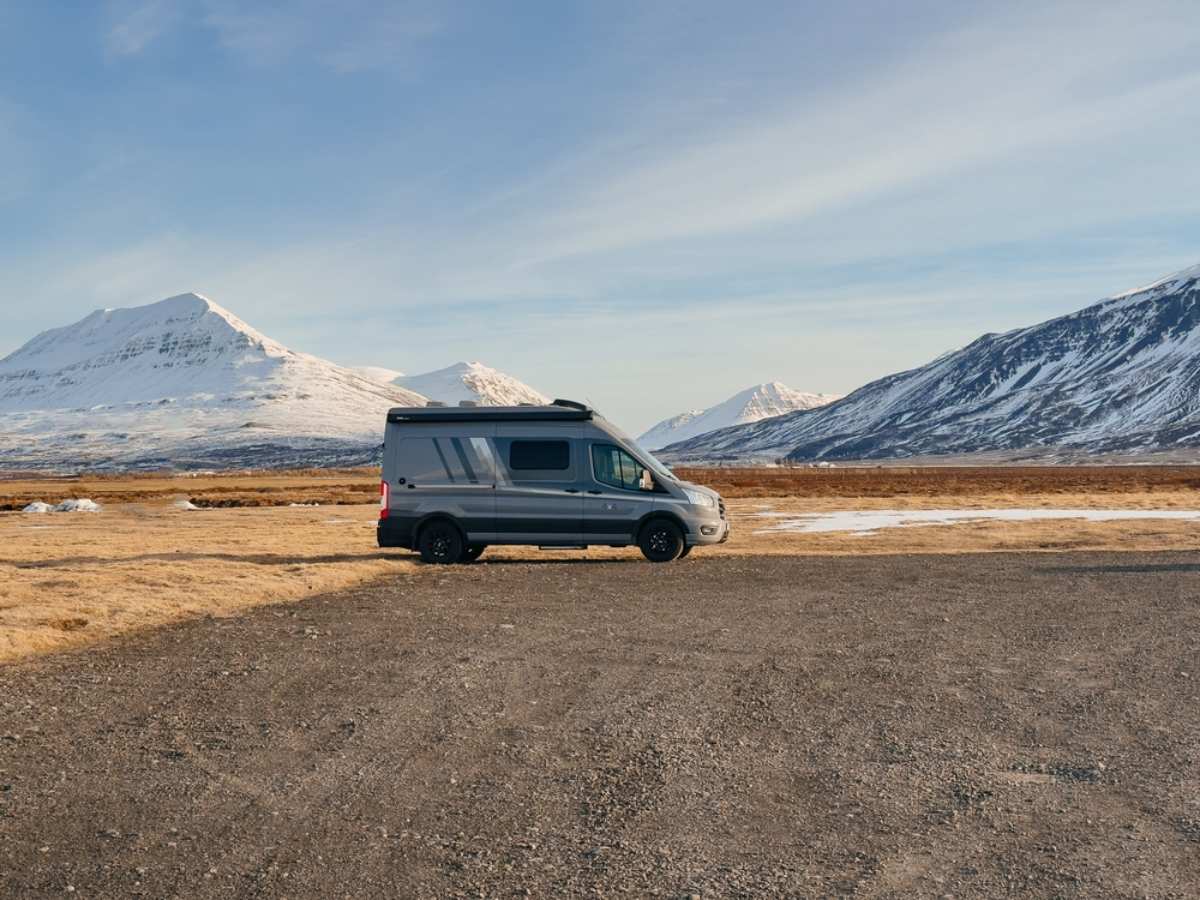
Driving in Iceland in March takes nerve. It’s cold, quiet, and mostly empty, which is exactly the point. The weather keeps changing, but the roads stay open enough for anyone prepared.
Prices drop, the light lasts longer, and the views don’t need filters. You just need good tires, time, and a bit of sense. Do that, and the whole island slows down for you. Here’s what to know before driving in Iceland in March.
If you rent a camper in Iceland, you cut nearly half your daily costs without giving up comfort. A hotel, rental car, and restaurant meals can run around $290-$370 per day. A heated camper, groceries, and fuel come closer to $135-$195 . Here’s why that trade makes sense in March:
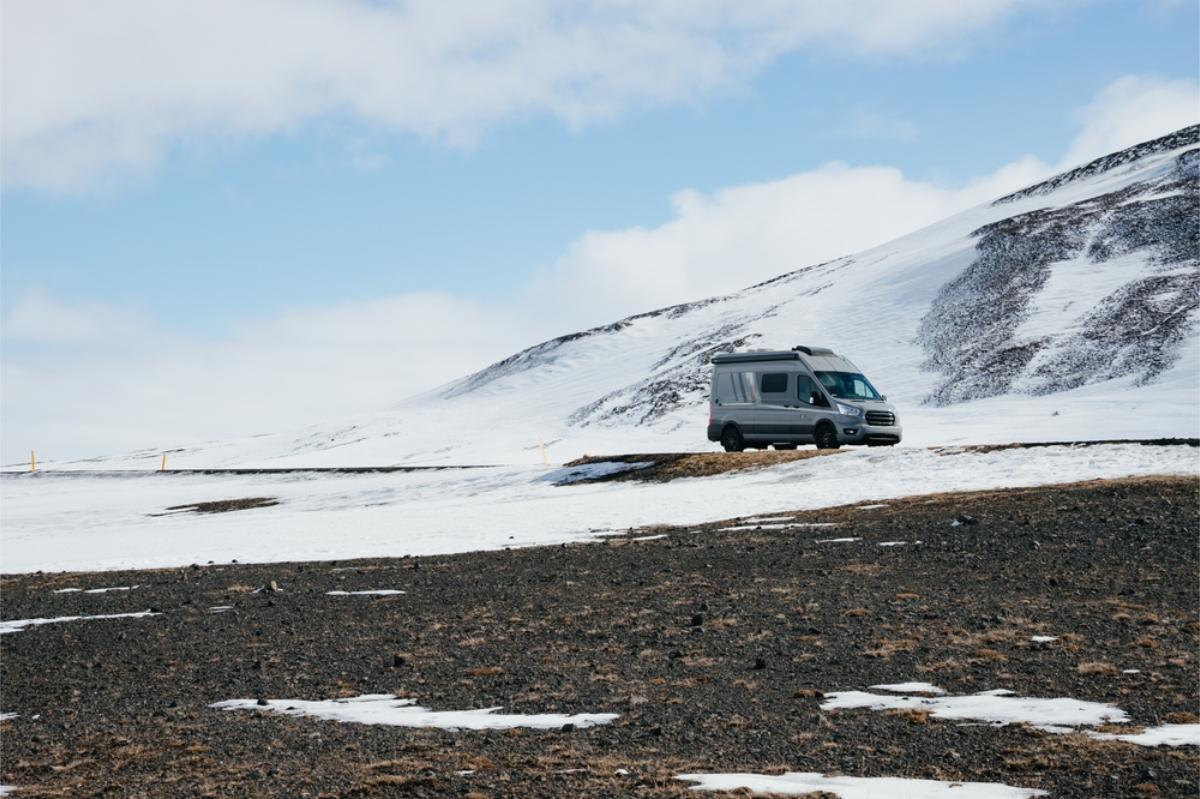
Let’s give you a quick glimpse at what Iceland actually feels like in March. The kind of weather, light, and road reality you’ll face once you hit the Ring Road. It’s not all storms and ice, but it’s never predictable either.
March sits awkwardly between winter and spring. Average temperatures range from -2°C to +5°C (28°F to 41°F), but coastal winds cut deeper than the numbers suggest. The south coast stays milder and clearer, though gusts can hit hard. The north and east still cling to winter with snow and blocked roads. We strongly recommend you read our guide about Icelandic weather as well for a more in-depth understanding.
Check Vedur.is before you drive and Umferdin.is before you decide where. Both update throughout the day and will save you trouble. Focus on wind and snow alerts, not just temperature. That’s what catches most people out.
March starts with around 10 hours of light and ends with 13 (7 a.m. to 8 p.m.). The equinox levels things out, but clouds can still turn afternoon into dusk. Plan to drive during daylight whenever you can.
March roads can turn tricky fast. One minute they’re wet, the next glazed with ice. In the north and the Westfjords, fuel stations are rare, sometimes over 100 km (62 mi) apart. Refill whenever you pass one.
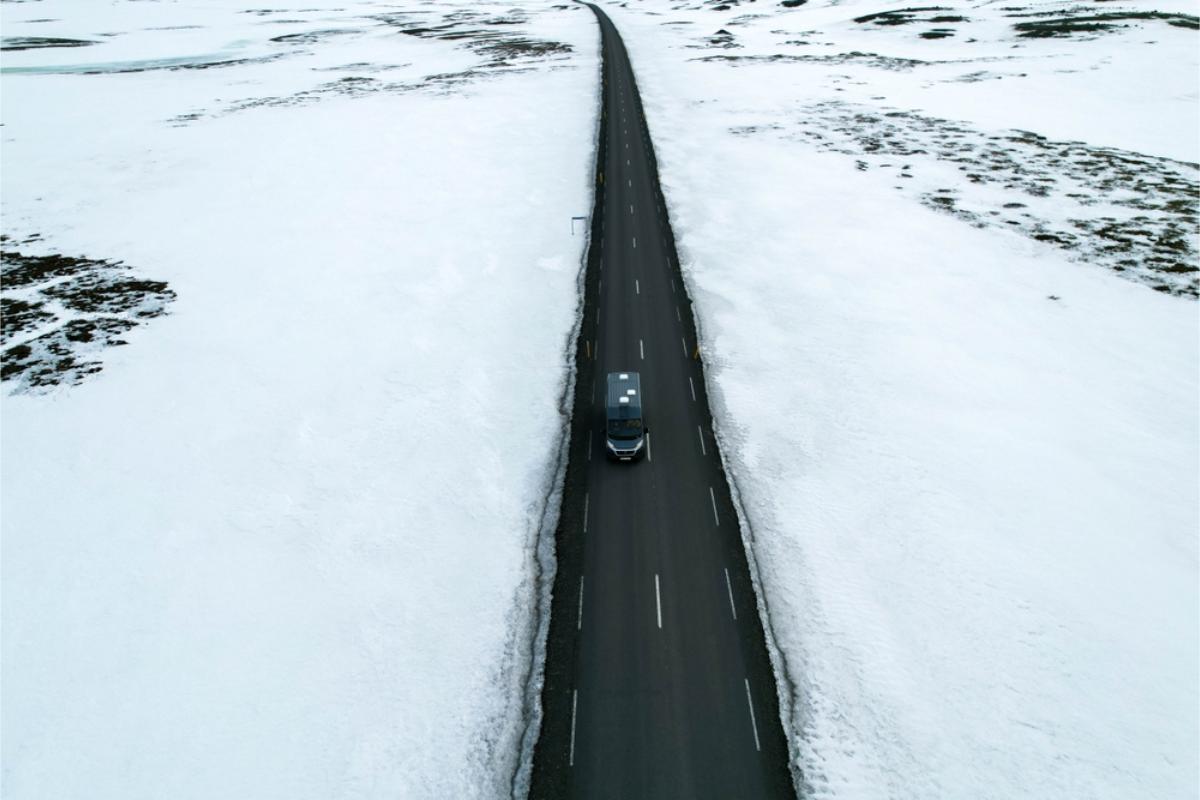
It’s safe to drive in Iceland in March if you use your head. The danger comes from ice, wind, and sudden whiteouts, not the roads. Check your setup before you roll out: tires, wipers, heater, GPS, and an emergency kit.
Get insurance that actually counts. Gravel, sand, wind, and collision damage are the ones that ruin trips. Make sure your plan covers winter risks too. Keep your headlights on, stick to the speed limit, and skip the drink if you plan to drive. Iceland doesn’t do second chances on alcohol checks. Go off-road or ignore a closure and you’ll pay for it, literally.
As we already touched on, it’s very important to check Vedur.is for weather alerts and Umferdin.is for closures or warnings, preferably twice a day. If the forecast looks bad, stop and wait it out. Locals do. They drive steady, headlights on, and don’t force the pace.
You don’t always need a 4x4, but it depends on your route and how steady you are on ice. A 2WD does fine on the Ring Road and most of the South Coast since those routes get cleared often. We still suggest a 4WD if you’re not used to harsh weather or want more grip when things freeze over. Once you head north or climb into the high passes, the story changes. Snow builds fast, the wind blinds you, and that extra traction becomes more than comfort; it’s backup. The difference can be the ability to keep moving when others stop.
By law, every vehicle in March must have winter or studded tires, and our campers are fitted before pickup at no cost to you. The cost jump between 2WD and 4WD models is there, but so is the safety margin. Think of it less as an upgrade and more as insurance for unpredictable weather.
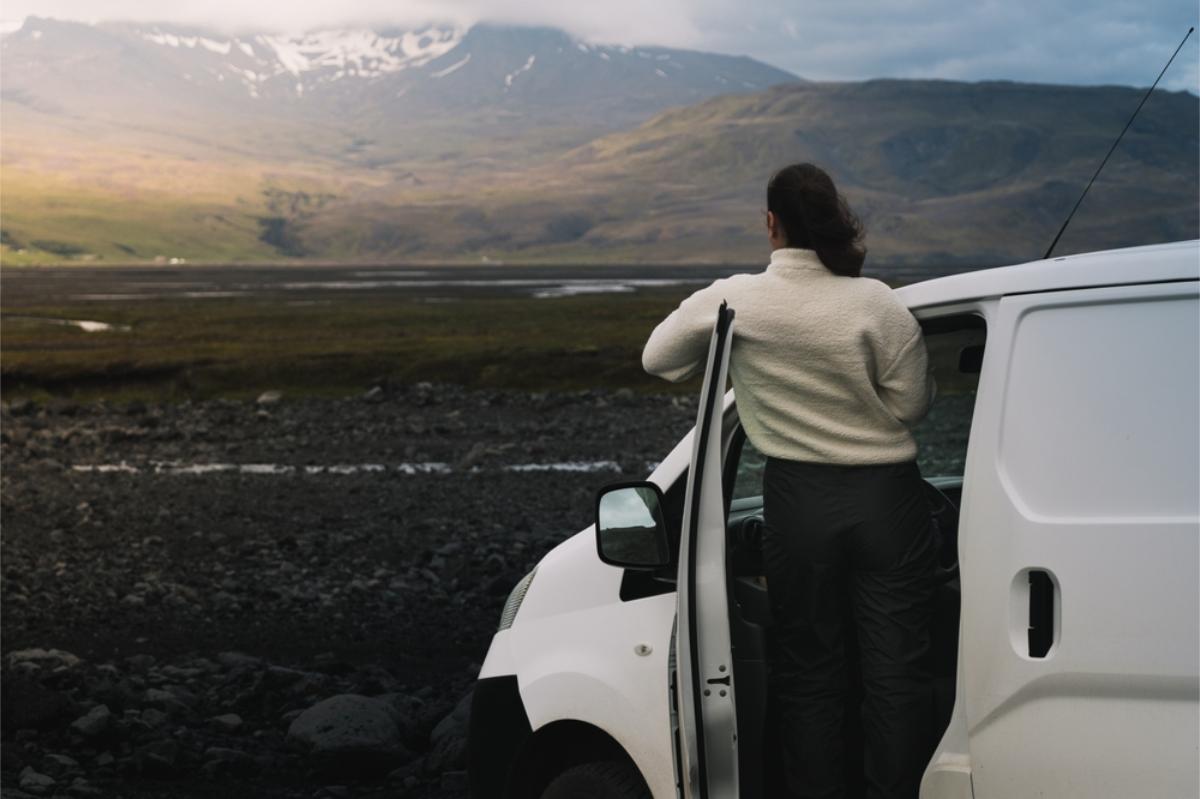
Most of Iceland stays accessible in March, but not everything. Here's what’s open, what’s risky, and what to skip:
Our camper fleet is quite extensive, but not every model fits March. We’ve narrowed it down using local experience, so you don’t have to scroll and guess. Here are the top picks that actually work for the season:
|
Camper Model |
Drive / Transmission |
Sleeps |
Why It Works in March |
|
VW Transporter 4x4 |
Diesel / Automatic |
3 |
Strong grip on icy roads, full heating system, and reliable diesel performance. Handles March’s shifting weather without fuss. |
|
Renault Trafic |
Diesel / Manual |
3 |
Warm interior, efficient fuel use, and steady handling. Ideal for the Ring Road and South Coast, where routes stay open. |
|
Mercedes Campstar 4x4 / VW Ocean |
Diesel / Automatic |
3-4 |
Premium comfort with solid traction and automatic heating. Perfect for couples or families who want warmth and space. |
You can’t just park and crash for the night. Iceland’s camping laws are really strict, and wild camping in a van is illegal. If you want to sleep in your camper, you need to be in a proper campsite or get clear permission from the landowner. Parking overnight in towns or random pull-offs will get you fined. Daytime parking is allowed if you stick to marked zones and follow the signs.
Some campsites stay open through winter. Reykjavik Campsite is one, but there are others with power hookups, hot showers, toilets, and decent Wi-Fi. Most let you plug in and charge while you sleep.
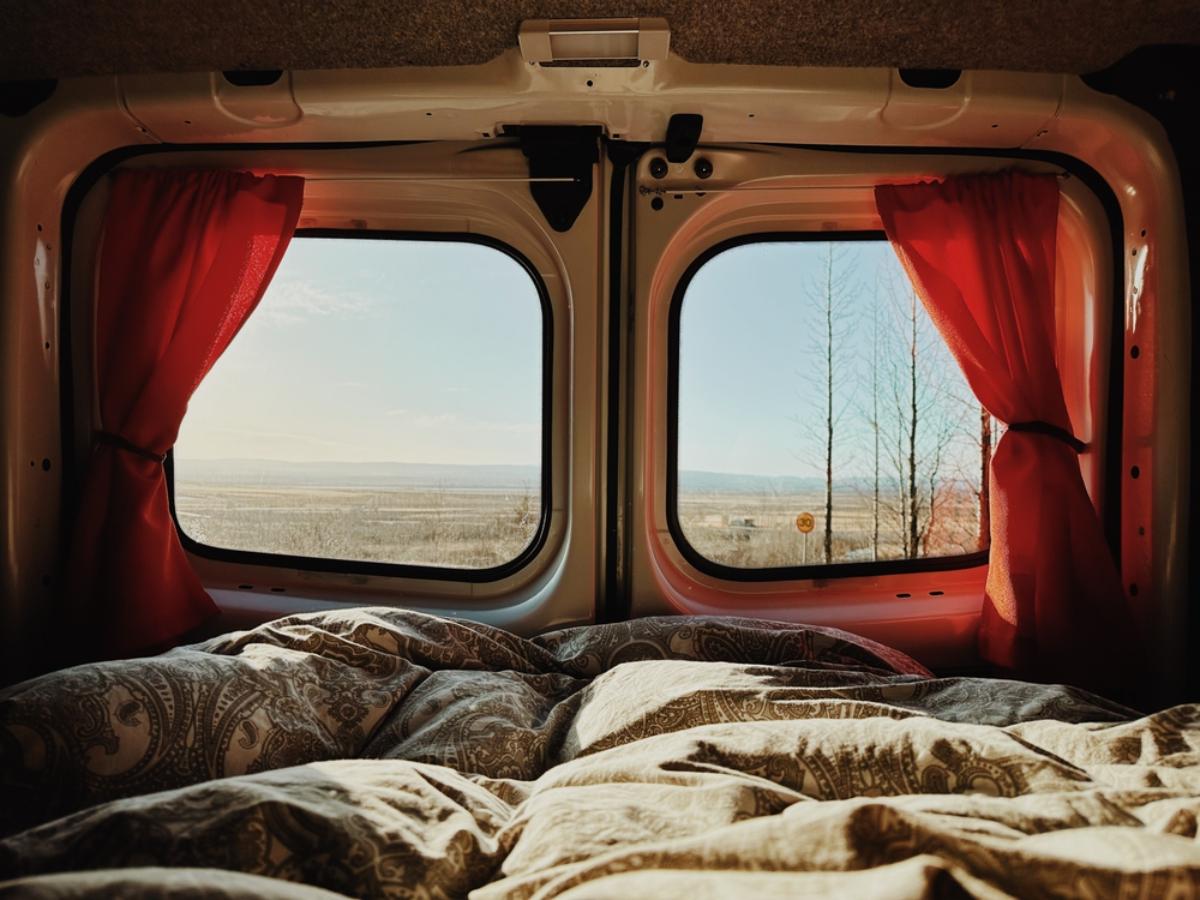
To stay warm without soaking everything in condensation, crack a window and don’t run the heater flat out all night. Use thermal covers if you’ve got them. Damp sleeping bags are how most people learn the hard way.
Check Tjalda.is for campsite listings. They’ll show what’s open, what’s got heat, and where to stop without getting into trouble.
Even with prep, things can still go sideways. Here’s what to have sorted before driving in Iceland in March:
As a bonus, we have included some nifty essentials we suggest you bring along for March in Iceland:
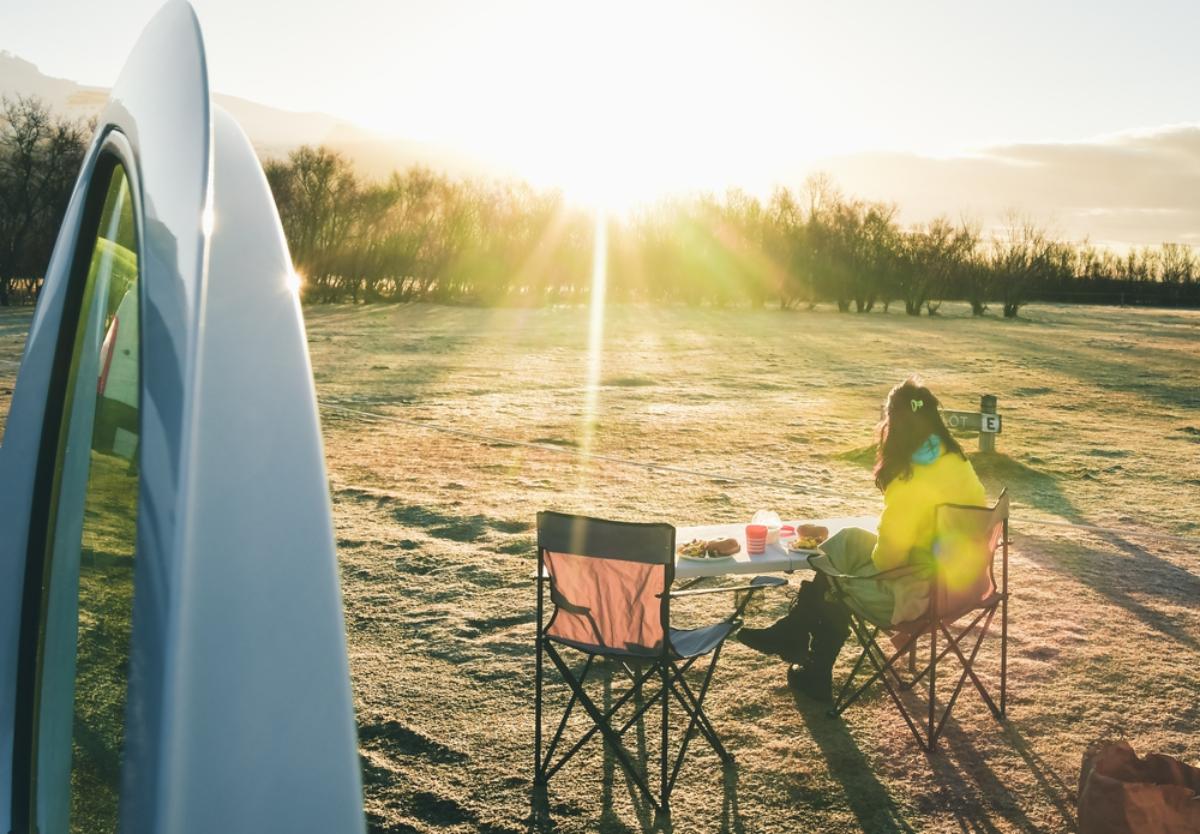
Driving in Iceland in March isn’t just possible. It’s one of the best ways to see the country without the summer chaos. The trick is to come prepared. Know the rules, track the weather, and choose the right camper. Get winter tyres, pack smart, and don’t rush.
The roads will test you, but they’re worth it. March gives you space, silence, and scenes most travelers miss. If that sounds like your kind of trip, start with the right vehicle. Check out our full range of 4x4 campers built for Iceland’s cold months and unpredictable roads and our motorhomes.
More Iceland Stories to Explore
Discover more tips and tales to fuel your next saga
Join thousands who have booked with us
Iceland's most booked campervan of 2025 is waiting. Secure yours today!
Your rental comes with:
Handy Extras
Essential Insurance Plan
Unlimited Mileage
Flexible Cancellation