17 August
15 min read
How to Heat Your Rental Campervan in Iceland


15 December 2025
17 min read
Once you’ve made the choice to see Iceland with a campervan, the next thing you need to start thinking about is what to wear while you’re there. Figuring out what to pack for Iceland is one of the biggest challenges you will face after planning your itinerary. If you don’t have the right layers, footwear, or other travel gear, you’re bound to be miserable.
Arriving in Iceland unprepared can leave you feeling frustrated and discouraged, with few options to correct your mistakes. This guide will help you create the ideal Iceland packing list to guarantee you’re prepared for everything Iceland can throw your way as you travel the country in your campervan rental.
Icelandic weather can change quickly and may throw just about anything your way, no matter what time of year you travel. In fact, it’s often said that you can easily experience all four seasons in one day. Icelanders will also tell you that if you don’t like the weather, just wait five minutes and it’s bound to change. This makes it difficult to pack for your trip.
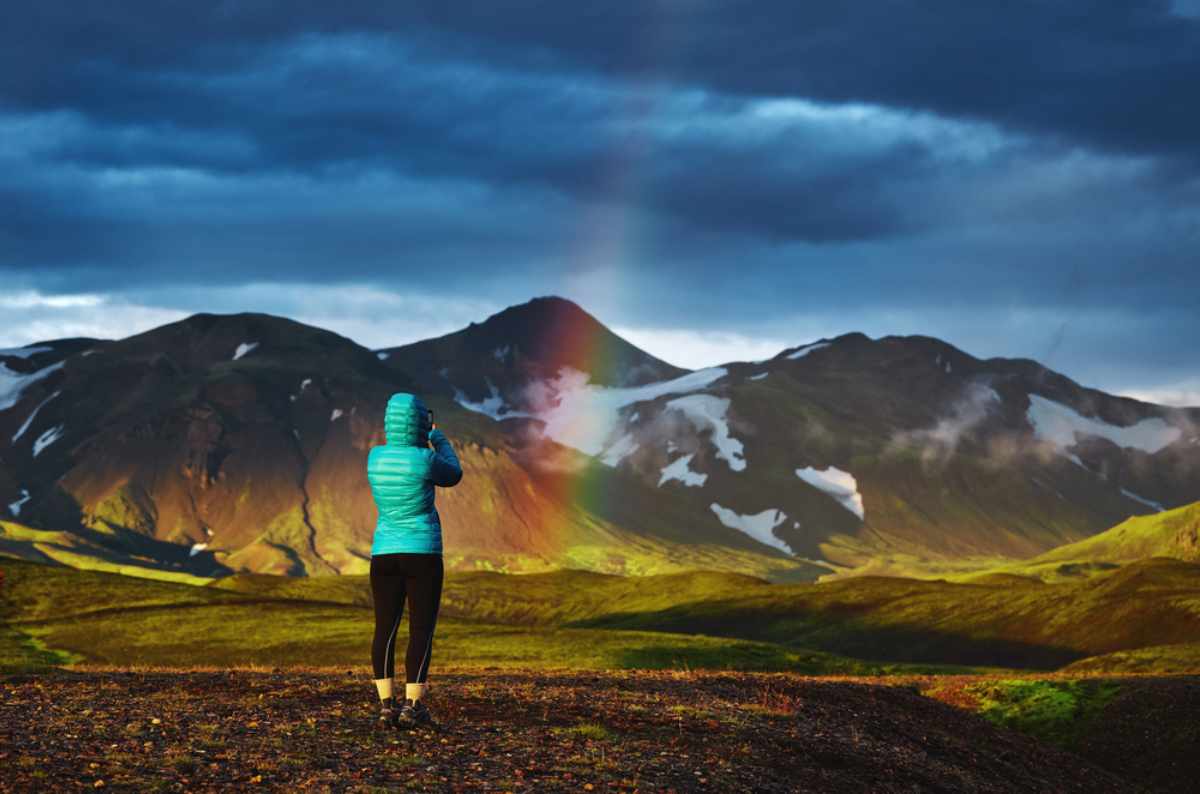
What to wear in Iceland is greatly affected by the weather at any given time. You may need a heavier jacket and thermals in the morning or evening, but in the middle of the day, you’re comfortable with just a t-shirt. Temperatures can shift quickly. Even if the air temperature isn’t cold, the wind and potential for rain or snow can make it all feel colder.
Knowing the best clothes for an Iceland trip will help you avoid overpacking while reducing the risk of not having something you need. Whether you’re visiting in the summer or in the heart of winter or anywhere in between, knowing how to build the perfect packing list is essential to your comfort and satisfaction, especially when traveling in a campervan.
Regardless of the time of year, your Iceland campervan packing list will look similar, although you may not need as many heavy layers for a summer trip as for a winter trip. Because you’re staying in a campervan, you will need to find ways to stay warm since you won’t have the same type or level of heating as you would in a hotel or other permanent accommodation.
First and foremost, you will need good base layers, preferably Merino wool, a fleece or wool sweater for chilly mornings or evenings, waterproof and windproof outer layers, wool socks, and a warm hat, gloves, and a scarf or buff. You will also need hiking pants or leggings, t-shirts, long-sleeve shirts, and potentially an insulated jacket. Extra layers are best when camping.
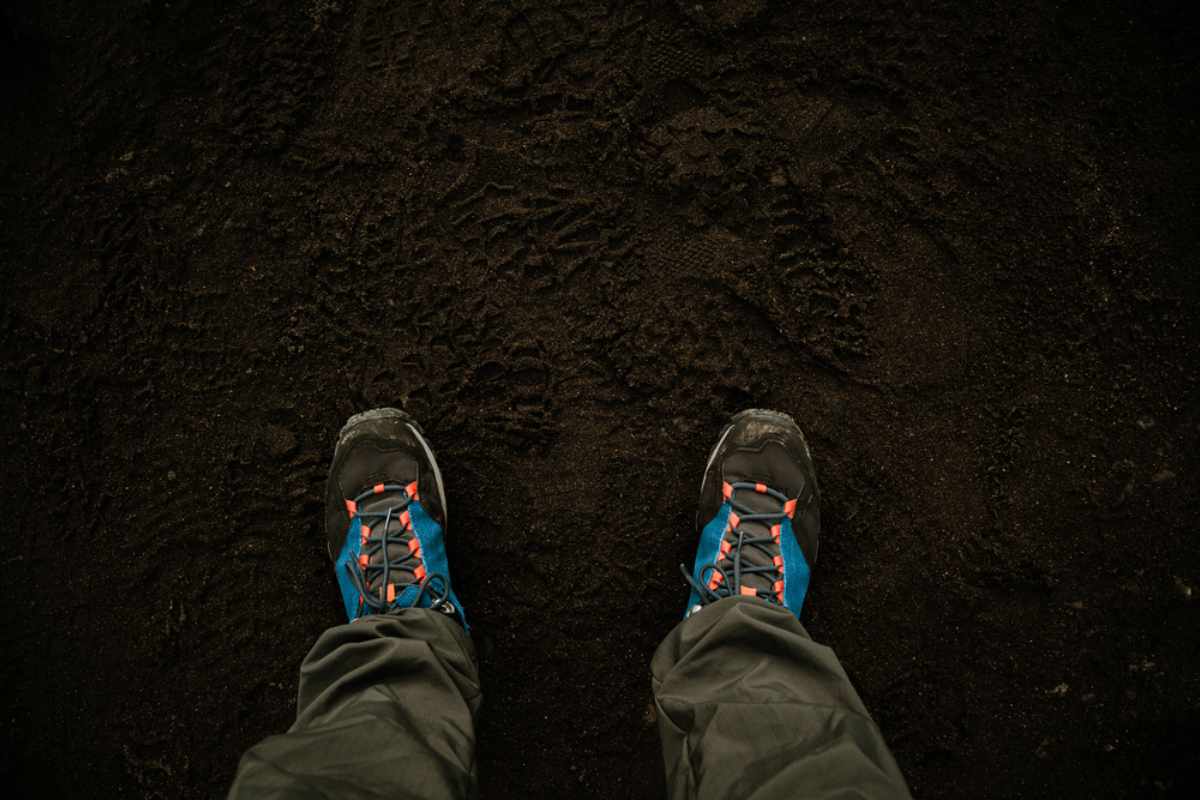
For the most part, you will need waterproof hiking boots with ankle support and good tread, even if you don’t plan on moderate or challenging hikes. A pair of comfortable sneakers can also be useful for time spent in town. If you are camping, you may want to pack flip-flops for going to and from the campground showers and bathrooms.
While you may want to unwind on your trip to Iceland, you will still need a few gadgets. For instance, be sure to download offline maps for your phone in case you don’t have connectivity. A portable power bank, a camera with extra batteries, and a headlamp are essential. Don’t forget a travel adapter. Iceland’s outlets are standard European outlets (Type F, 230V).
If you’re renting a campervan, many of the kitchen items you need should be included with your rental. However, you should bring a few things too, such as a reusable water bottle, reusable utensils, plates, and cups, dishwashing liquid, a sponge, plastic storage bags, and a cooler bag. Ask us what is included in the rental so you know what you will need.
Spending your time in a campervan means you will need a few things that other visitors won’t. A sleeping bag or extra blankets may be needed beyond what is provided. In summer, an eye mask may be useful due to the long daylight hours. A quick-dry travel towel, laundry soap, and a small first-aid kit will ensure you have everything you need during your stay.
Some items you may need are easy to overlook. Sunglasses are essential, especially for driving at sunrise or sunset or going out on the glaciers. A swimsuit is necessary all year round to take advantage of the geothermal pools and lagoons. Also, bring or buy reusable shopping bags. Bags at the stores are not free.
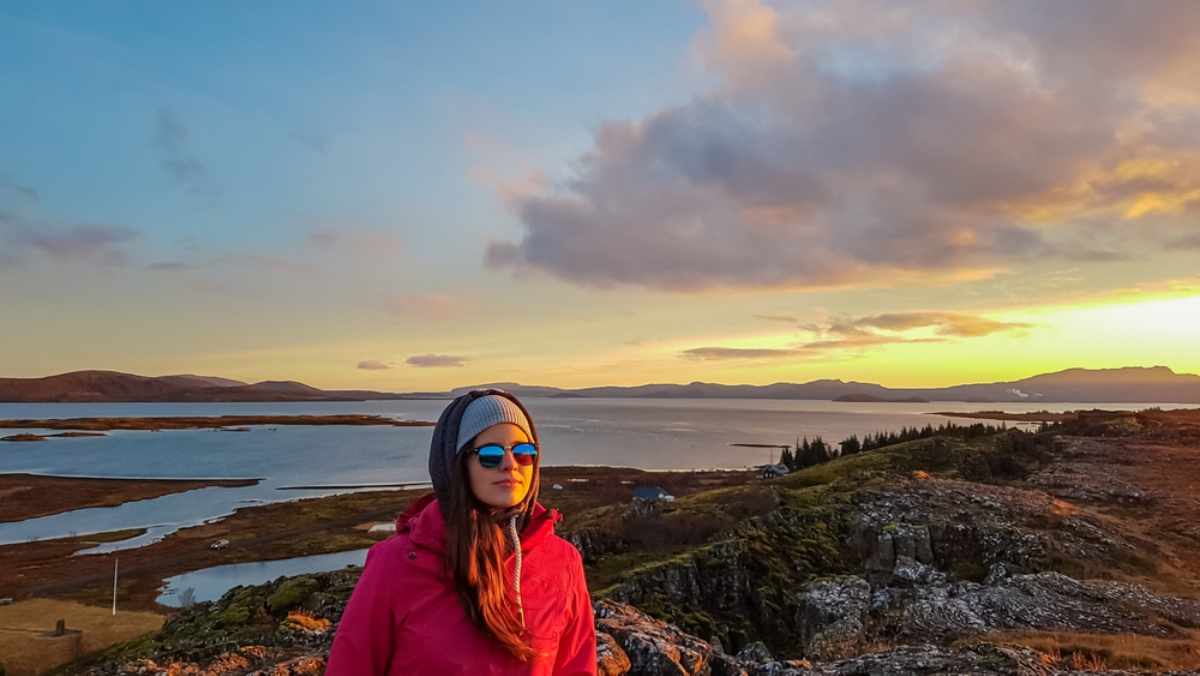
If you ask any experienced Iceland traveler about what to wear in Iceland, the answer is often the same: layers. With the fast-changing weather conditions and fluctuations in temperature, it’s best to wear layers you can easily remove and put on as you need throughout the day. You will spend a lot of time outside in the elements, especially when camping, making layers essential.
In general, it’s recommended to dress in the four-layer system. By following these guidelines, you will achieve the perfect balance between lightweight and heavy-duty layers that will work together to keep you warm when necessary and allow you to cool off when you’re overheating. Here’s what you should expect to wear:
One of the most important layers is your base layer. It’s recommended to choose Merino wool because it is soft against the skin and wicks moisture away to keep you dry. The natural fiber also traps heat close to the skin, keeping you warm, no matter what the temperature is outside. Don’t forget to pack tops and bottoms.
On top of your base layer, you will wear materials similar to the base layer. Choose a synthetic fiber like fleece or a natural material like wool to help keep your body warm and wick the moisture away from you. Materials that take longer to dry will make you feel colder. Pack a combination of short sleeves and long sleeves, along with accompanying pants, to complete your middle layer.
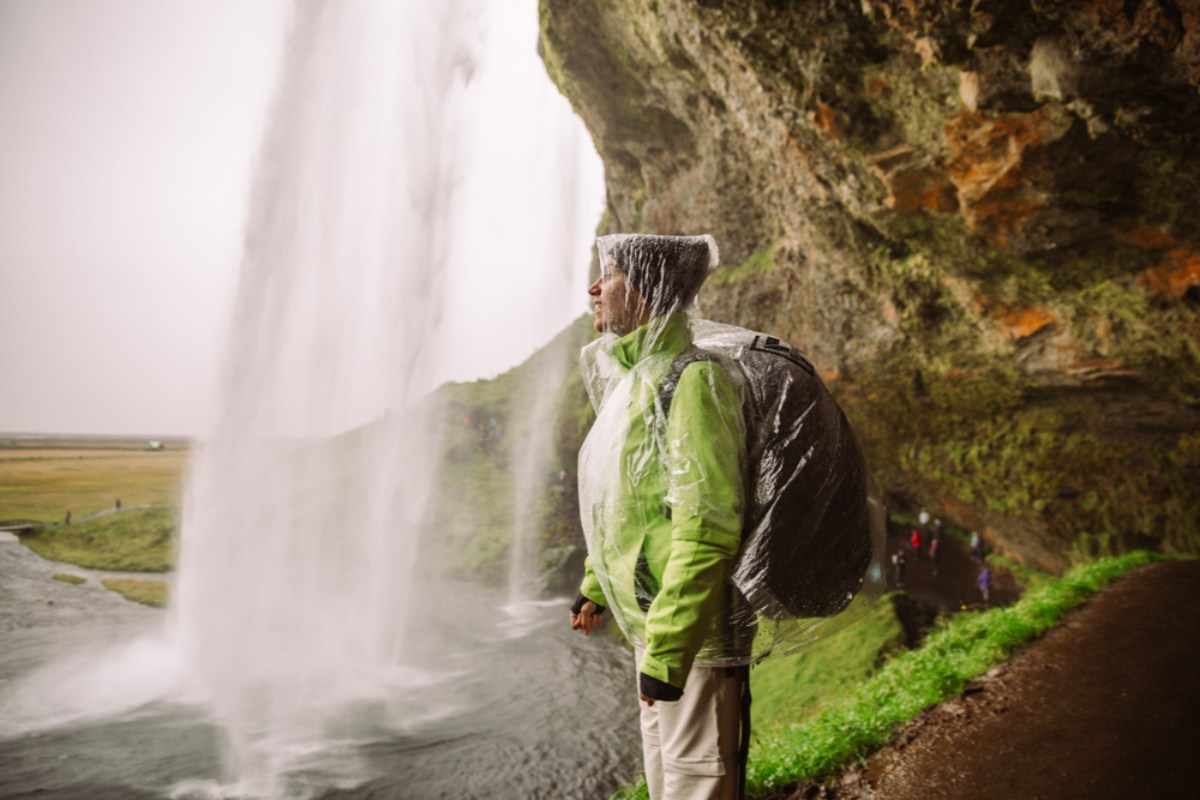
Your outer layer should consist of a jacket and pants that offer waterproof and windproof properties. It’s common for Iceland to be windy and wet, and choosing an outer layer you can take on and off as needed will help keep you warm and dry. Materials like Gore-Tex offer the ultimate water protection. A puffy or down jacket can also be useful, especially in the colder months.
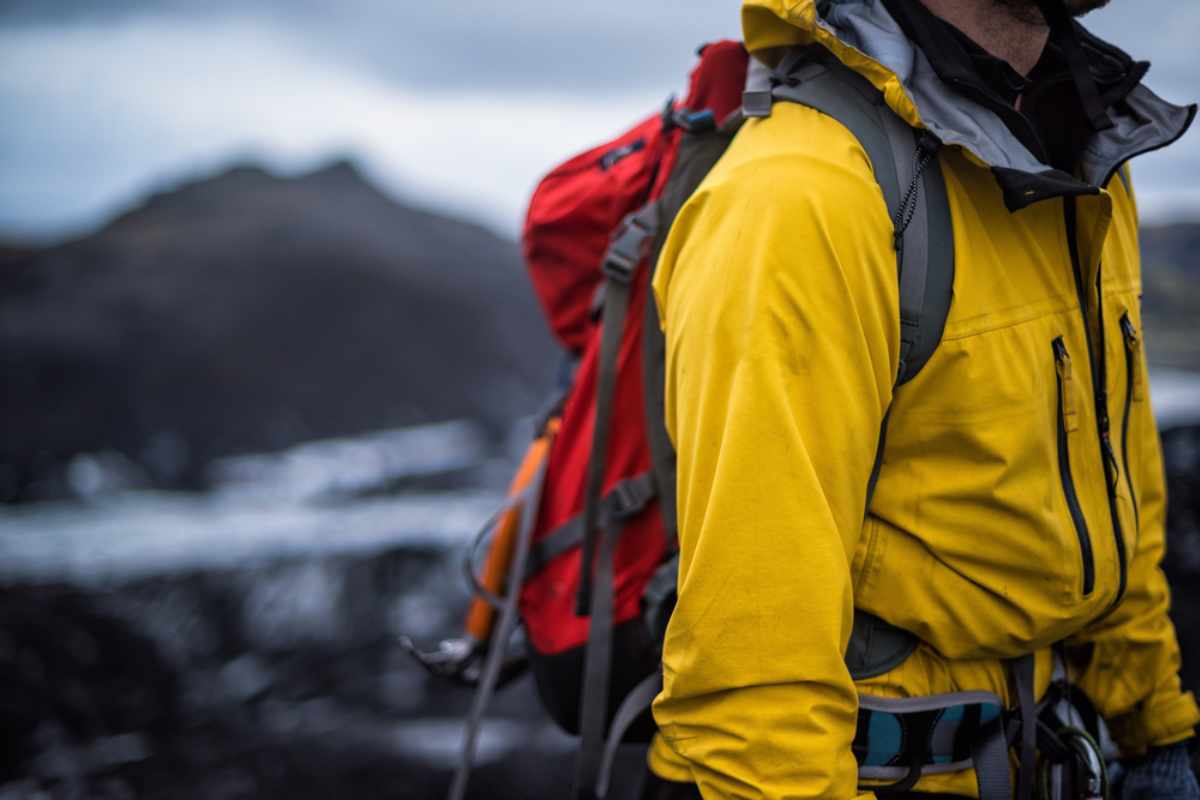
In addition to these main layers, you will need some extras to help keep you warm. A wool hat, warm gloves, and a scarf or buff are an absolute necessity, no matter what time of year you travel. The wind can be brutal, and not having these items can leave you feeling chilled, even when the rest of your body is clothed in proper layers.
Choosing appropriate footwear can make or break your trip. If you don’t have the right thing on your feet, you may find your Iceland trip quickly becomes uncomfortable. Most of the areas where you will walk won’t have paved trails but will instead be uneven pathways, and some may be rocky. It can also be slippery due to moisture or ice.
A good, sturdy pair of waterproof hiking boots is a must, but that isn’t the only footwear you may want to pack. Keeping your feet warm, dry, and comfortable is the recipe for an enjoyable sightseeing experience. Be sure to pack microspikes during the shoulder and winter seasons.
During the summer season between June and August, a pair of waterproof hiking boots with good ankle support is a must. In addition, you may want to pack lightweight sneakers for driving and in the city and flip-flops or sandals for visiting the campground bathroom facilities or even at the hot springs.
If you’re visiting in the shoulder seasons, which fall between April and May and September and October, insulated waterproof hiking boots are best due to changing weather conditions. Comfortable sneakers and flip-flops may also be needed for driving, around town, and at the campsites and hot springs.
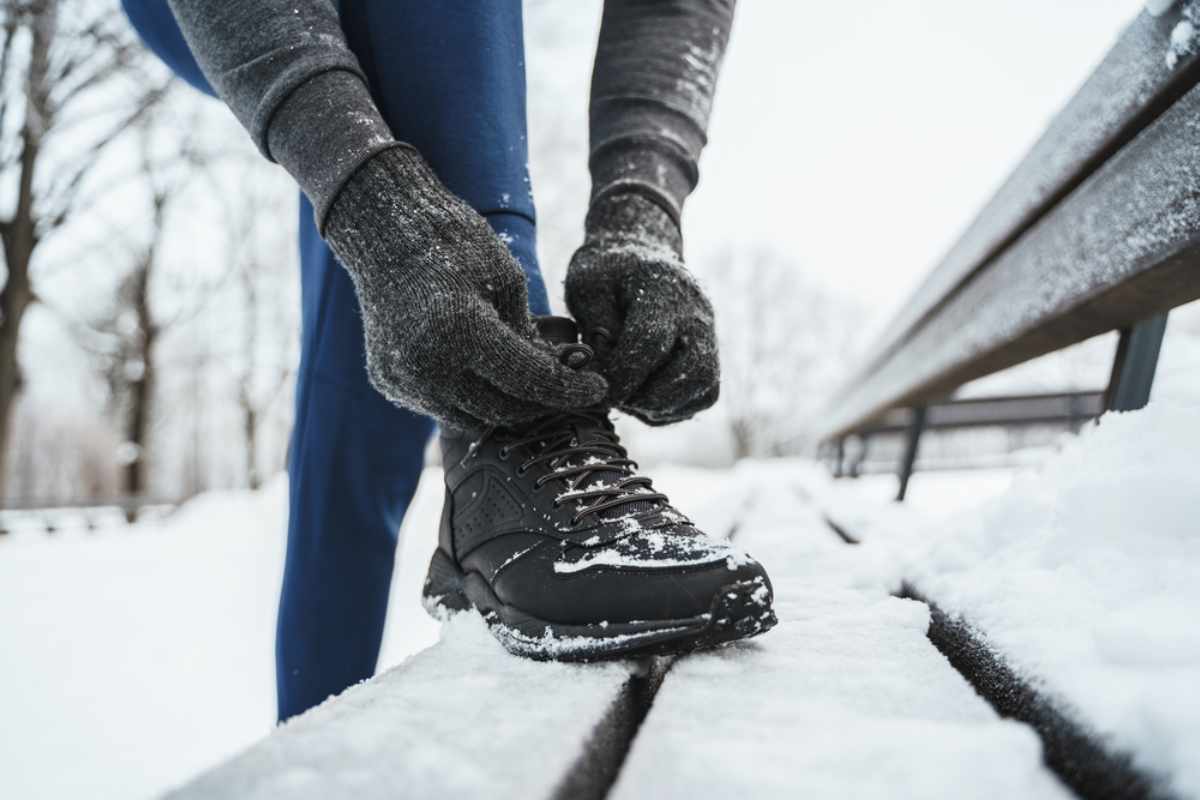
From November to March, you will likely need proper winter footwear. Insulated waterproof hiking boots with ankle support will keep you warm and safe on icy or snowy terrain. It’s unlikely you will need sneakers or flip-flops during this time of year, but you may want slippers for inside your campervan or flip-flops if you visit any hot springs.
While some of the basics of what to pack for Iceland will be the same, regardless of the season, there are some specifics that are season-dependent. The following chart will help you get a general feel for what to pack based on the season you will travel:
|
Season |
Clothing |
Accessories |
Equipment |
Notes |
|
Summer (June-August) |
Light base layers, fleece, waterproof jacket, hiking pants, t-shirts. |
Sunglasses, hat, gloves. |
Waterproof hiking boots, sneakers, camping gear. |
The midnight sun often requires an eye mask. Keep in mind that weather changes often. |
|
Autumn (September-October) |
Thermal base layers, fleece, insulated jacket, waterproof outer layer. |
Gloves, hat, scarf, headlamp. |
Waterproof boots, microspikes or crampons. |
Weather can be mild or wintry. Be prepared for some campsites to be closed. |
|
Winter (November-March |
Heavy thermals, down jacket or parka, wool sweater, snow pants, waterproof outer layer. |
Thick gloves, insulated hat, scarf, microspikes or crampons. |
Insulated winter boots, headlamp. |
The nights are long, roads may be icy or snow covered, strong winds are common. Pack warm. |
|
Spring (April-May) |
Thermal base layers, fleece, waterproof jacket, insulated mid layer. |
Gloves, hat, scarf, sunglasses. |
Waterproof hiking boots, microspikes or crampons. |
Roads and trails can still be icy or snowy. Daylight increases every day. |
Summer in Iceland can still be chilly, depending on where you live. However, lighter layers, along with a fleece or wool sweater and a waterproof outer shell, are often all you will need. Waterproof hiking boots, a pair of lightweight sneakers, and a pair of flip-flops will also be useful. Don’t forget your swimsuit, sunglasses, and an eye mask to block the light at night so you can sleep.
The weather in September and October is slowly getting colder, so you will need more insulation, including thermal base layers, warm sweaters, and an insulated jacket. Gloves, a hat, and a scarf can be added as needed. Waterproof hiking boots with good tread and microspikes will keep you safe on the trails, and a headlamp can be useful after dark.
The winter months often require more layers with heavy thermals, wool layers, snow pants, and a parka or down jacket in addition to an insulated hat, thick gloves, and a scarf. Microspikes and insulated, waterproof hiking boots are needed to keep you safe and warm. Consider bringing extra bedding to keep you warm at night in the campervan.
Packing for a spring trip is similar to an autumn trip, but temperatures are expected to start getting warmer. You will need thermals, fleece, an insulated mid layer, and a waterproof shell. Gloves and a hat may also be needed to block out the wind. Waterproof hiking boots are needed for the trails since they will be wet, muddy, and may have lingering snow.
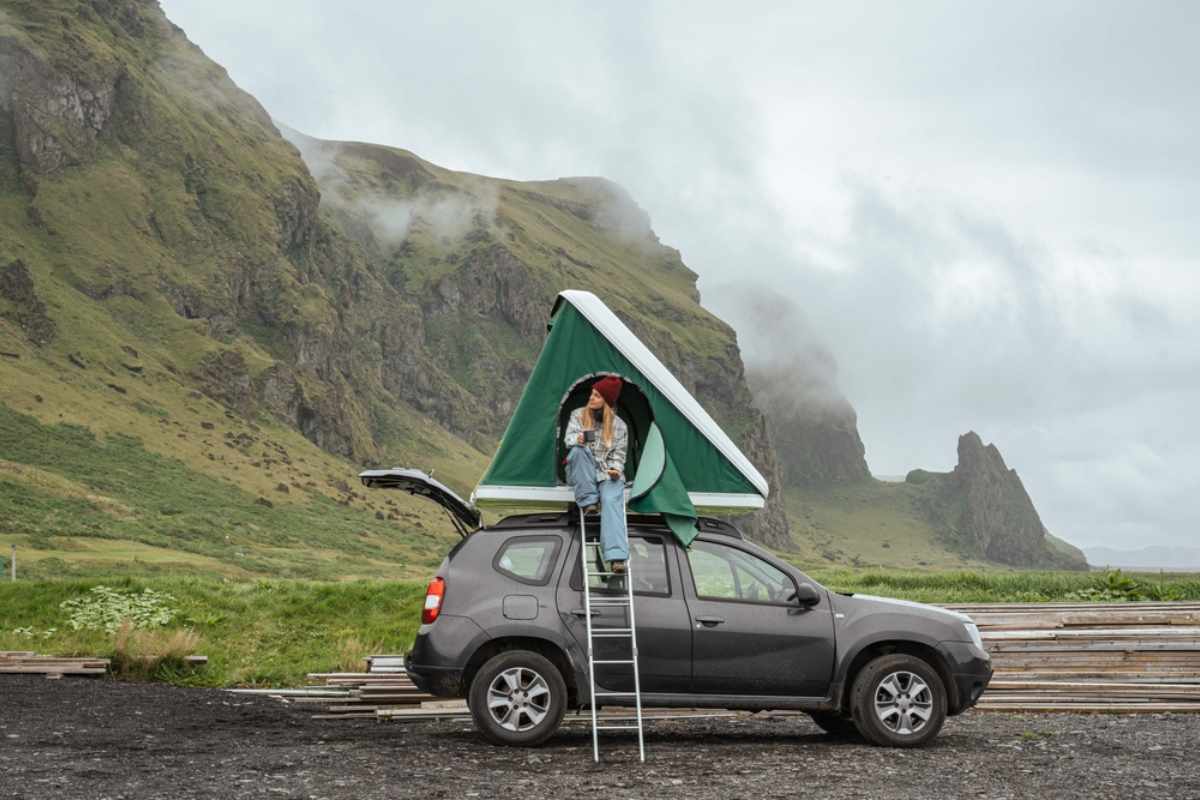
During the shoulder seasons, Iceland is undergoing many changes. Daylight is rapidly increasing in the spring and decreasing in the fall. A headlamp can help you see when you’re out at the sights or walking around the campground at night. You will also still need thermal base layers and other warm gear to stay comfortable with the changing weather conditions.
Microspikes or crampons can also be useful, as trails can still be icy or snowy. Even when they are muddy, they can be slippery, making extra traction useful.
Camping in Iceland requires careful preparation. While campervan rental companies often include many of the basics you need, such as bedding and cooking implements, there are plenty of other things you should take on your journey.
To help you get around Iceland, consider packing a GPS or downloading offline maps to your phone. Bring a headlamp or flashlight, except in summer, and be sure to bring a power bank or two for recharging electronics on the go. You may not always have access to electricity at campgrounds.
Ask your rental company what cooking gear and eating implements are included with your rental. You may also want to consider bringing or renting a portable stove for cooking. Pack quick-dry towels and dishcloths, a refillable water bottle, and plastic bags for storing food and leftovers.
Food can easily be found in local grocery stores, gas stations, and convenience stores. Try to shop in the bigger towns to guarantee a larger selection and better prices. Gas stations and convenience stores are often more expensive and will have limited options.
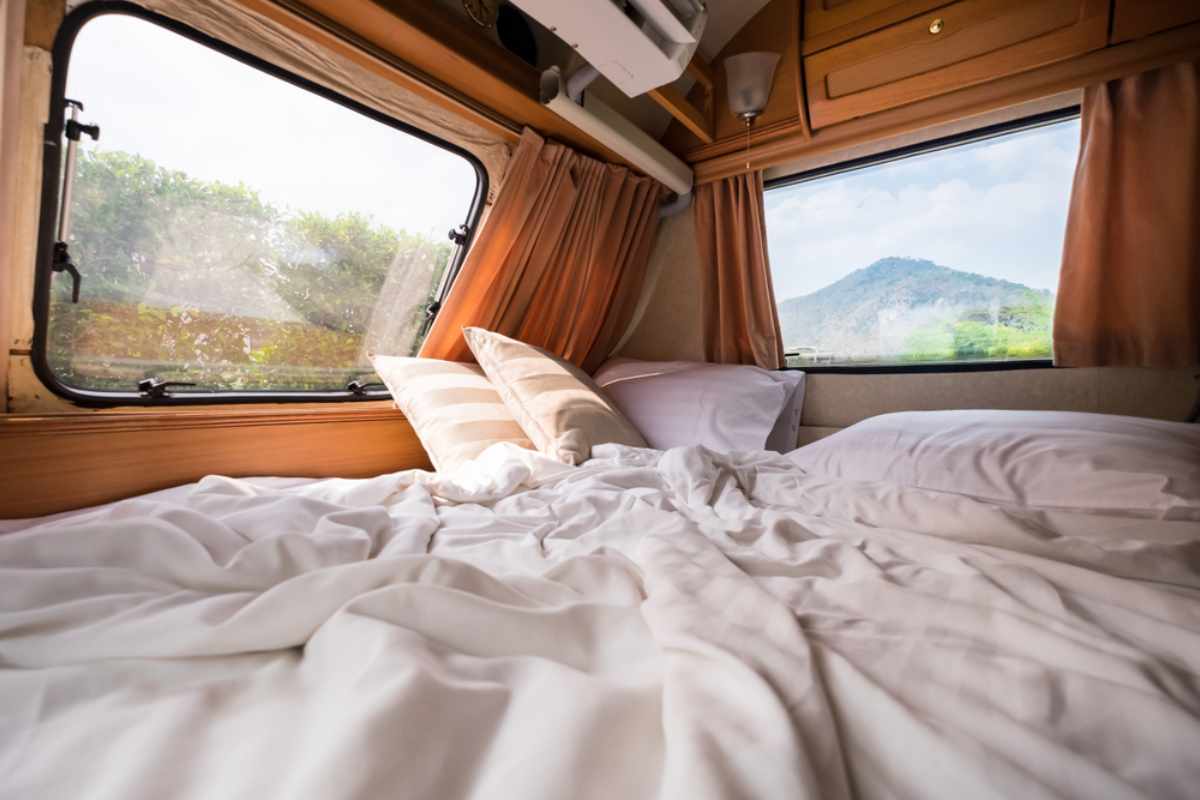
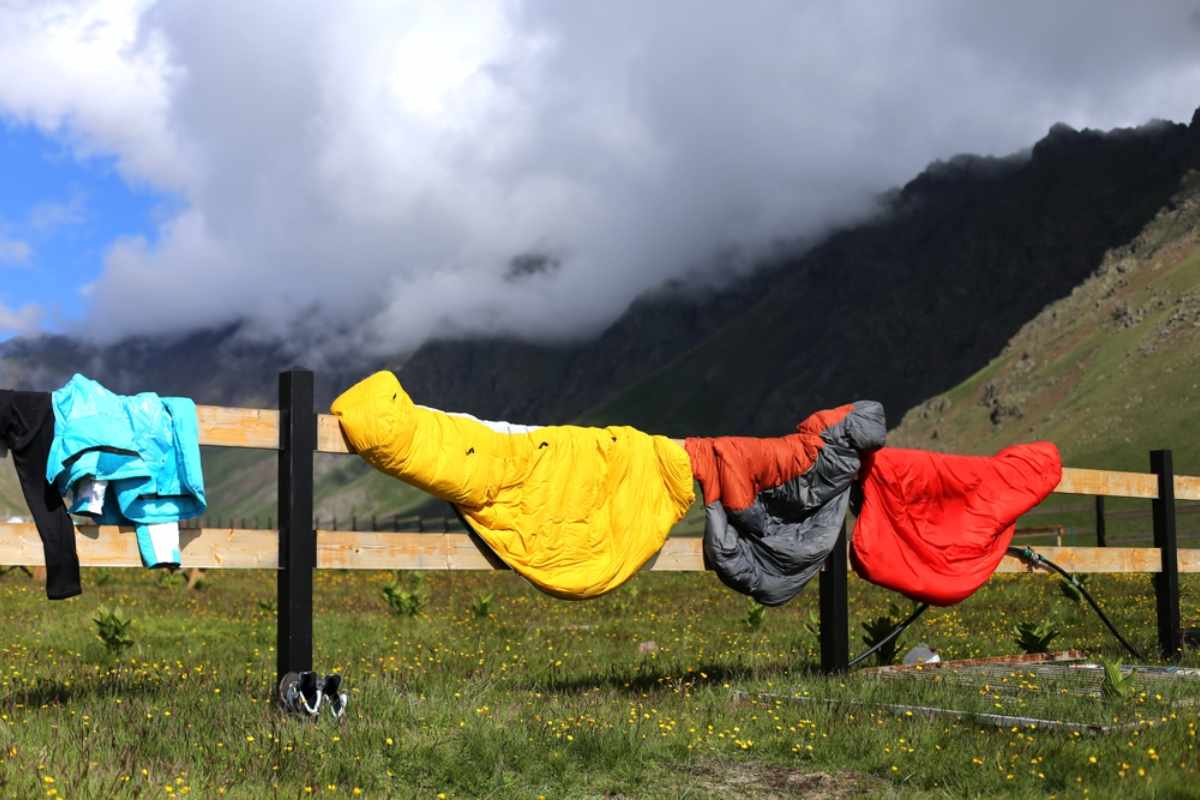
A sleeping bag or extra blanket can be useful when staying in a campervan, even during the summer. Nights can be cool, and sometimes the heater in your campervan just isn’t enough to keep you warm. Earplugs can help you block out the noise around you at the campground, and an eye mask blocks the never-ending daylight of summer. A travel pillow can also have multiple uses.
It’s important to keep a close eye on the road and weather conditions when driving through Iceland. Download the Vedur app and check the road condition website daily before you set out on your journey. SafeTravel.is is another essential tool for tracking safety warnings. Follow the authorities and change your plans if necessary. Tjalda.is will help you find campgrounds and monitor opening dates.
When camping in Iceland, keep in mind that it is required by law to stay in marked campsites with a vehicle. Be sure to leave no trace behind. Pack out all your garbage and avoid damaging the moss. Respect all animals, whether wildlife or livestock, and always use the toilet and campground facilities to keep waste under control. Leave Iceland as you found it!
Overpacking can be just as much of a problem as leaving behind items you may need. Remember, campervans don’t have a lot of extra space, so it’s better to pack light and use the laundry facilities at campsites as needed. You likely won’t need formal clothing or shoes because dining is generally casual, and you can often wear items more than once.
When packing clothing, avoid cotton clothing and jeans. These items are heavy when wet and don’t dry quickly, leaving you feeling miserable. You won’t likely need shorts or summer dresses either, since even the summers are chilly. Make sure all your shoes are waterproof to keep your feet dry.
In addition to limiting how much clothing you bring, avoid umbrellas. The wind often makes them useless. Instead, pack waterproof outer layers for rainy days. Be wary of using hair dryers and styling tools. Campervans don’t often accommodate high-voltage items, and many campgrounds have hair dryers available.

Knowing what to pack for Iceland is one of the most important parts of planning your trip, beyond creating your itinerary and booking a campervan in Iceland. This guide will help you decide which items are best, based on the time of year you visit, and what you can leave behind to ensure you aren’t overpacking. When you have the right gear for your trip, you can make the most of everything the country has to offer.
Yes, you will need waterproof outer layers, no matter what time of year you visit. Iceland can be quite rainy in the summer, and if you intend to get close to the waterfalls, you are likely to get wet. A light, breathable jacket that is waterproof, plus waterproof hiking boots, is essential, even in June, July, and August.
It depends on what your rental company provides. With Campervan Reykjavik, you can add it if you want! Some people aren’t happy with the amount or thickness of the bedding that comes with a campervan. In these situations, having a sleeping bag or stopping to buy an extra blanket can be helpful.
The answer to this question depends on what you intend to do. If you’re staying in Reykjavík and not venturing into nature, sneakers may be fine. However, if you plan to do any sightseeing, they aren’t recommended. Trails can be muddy or slippery and may be made of gravel, making hiking boots with good tread essential. Having sneakers for town is okay.
Campervans generally come with basic cooking equipment, but bringing your own reusable cutlery, refillable water bottle, and a quick-dry towel can be useful. Bringing food from home isn’t required, but if you do, please check the import regulations. Otherwise, you can easily buy food and snacks at local grocery stores, gas stations, and convenience stores.
The most common mistake travelers make when packing for Iceland is packing too much cotton clothing. Cotton absorbs moisture, rather than wicking it away, and takes longer to dry, making you feel uncomfortable. Some visitors also pack nicer outfits for dining out. In Iceland, this isn’t necessary because most restaurants are casual. When camping in Iceland, less is more due to the limited space in your campervan.
More Iceland Stories to Explore
Discover more tips and tales to fuel your next saga
Join thousands who have booked with us
Iceland's most booked campervan of 2025 is waiting. Secure yours today!
Your rental comes with:
Handy Extras
Essential Insurance Plan
Unlimited Mileage
Flexible Cancellation