17 August
15 min read
How to Heat Your Rental Campervan in Iceland

8 December 2025
20 min read
Welcome to spring in Iceland! When you visit Iceland in March, you’ve officially begun to leave winter’s chill in the rearview mirror. But spring in Iceland is probably not what you’re used to back home. March is a glorious mix of winter perks while the weather takes a turn for the better.
For the ultimate (and most budget-friendly!) Iceland adventure in March, rent a campervan or motorhome to explore our Land of Fire and Ice. This article will tell you exactly how, from the weather and things to do and see, to what to pack and how to drive. So, read on if you want to be well prepared for your visit in March!
March is Iceland’s official transition month into spring, but Iceland’s winter wonderland doesn’t lose its grip overnight. So, you need to remember that visiting Iceland in March means plenty of unmelted snow and ice, and you may still find a few of our waterfalls semi-frozen in time. But this in itself is what makes it special to visit the island in March – this strange melting pot of seasons.
You’ll need to keep these frosty leftover conditions in mind if you’re planning on doing a road trip, since it can make driving a bit more challenging (especially for those not used to these types of conditions at all). For this very reason, you’ll still find that our annual road closures will be in place when you visit. This includes the famous F-roads, which make exploring the Highlands nearly impossible. When it comes to the Westfjords, these roads are not F-Roads but they can be tricky to navigate during this time.
These are better left to summer road trips in Iceland. One of the weirdest, but amazing, perks of visiting Iceland during this transition period is that daylight hours have absolutely exploded, so you can have a jam-packed spring trip itinerary still filled with winter activities! You might even get to see the Northern Lights (especially if you’re visiting in early March).
If you’re a nature lover, spring should also be a go-to with many migratory bird species heading to the island for breeding season, and you can even catch a few additional migratory whale species with the rest of our giants of the ocean along our coastlines. And as if this all is not reason enough to sprint to Iceland in March, we’ve left out the best for last: March is a shoulder month.
That means no peak season crowds or peak season prices. You can cruise around the island with no constraint or concern regarding how many are traveling on the road or flocking to an attraction or campsite. And your budget will be kept safely intact without any exorbitant or inflated prices taking advantage of the masses on the island. The adventure of a lifetime awaits at affordable prices!
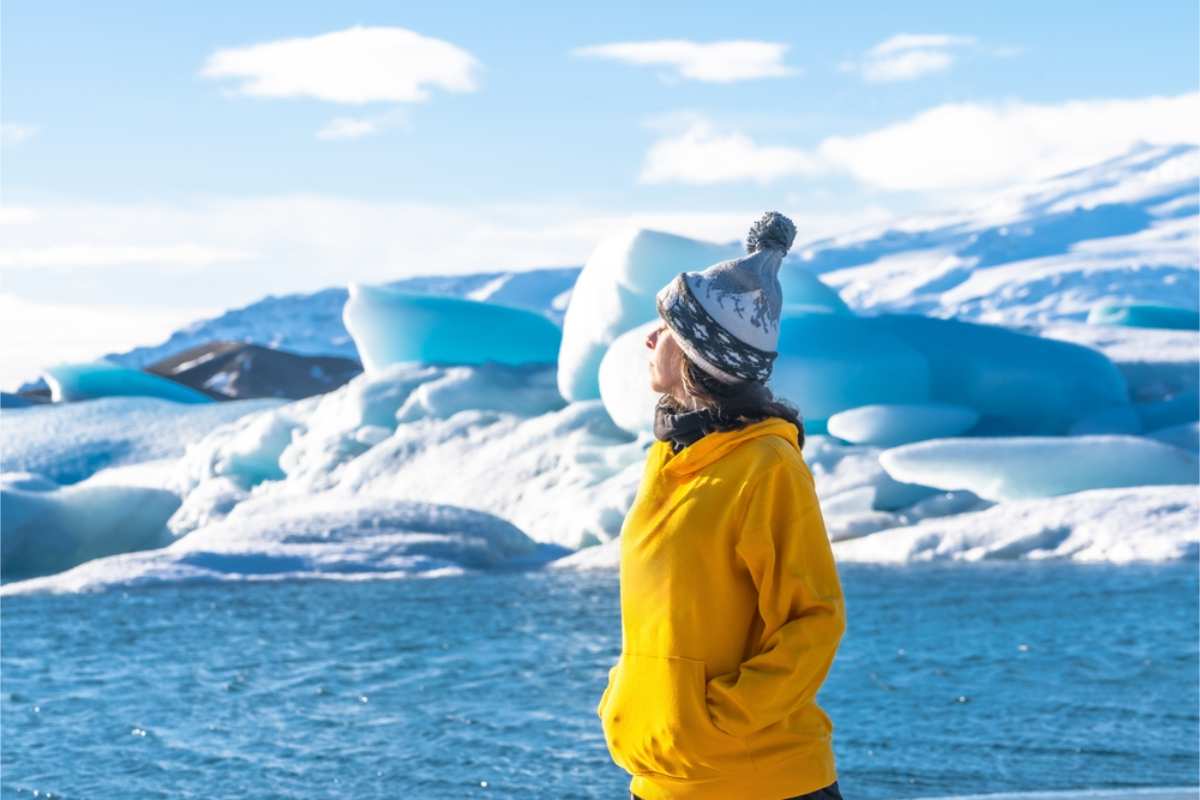
With such an eclectic mix of seasons, we’re sure you’re wondering exactly what to expect from the Iceland weather in March. We’ve created a detailed outline below:
Remember, a local saying on the island goes: “You can experience all four seasons in a day in Iceland,” so irrespective of season, it’ll always be best to dress in layers (this way you can take things off and put them on as conditions change throughout the day).
When traveling to Iceland in March, you can expect temperatures to range between -2 and 4 degrees Celsius. You also need to be aware of a local illusion that can sometimes confuse visitors. Walking in our cities and towns often feels slightly warmer than beyond their borders. That’s not because it is actually warmer, but because the buildings create some shelter against the elements.
Daylight hours are ever-increasing throughout the month. It already starts at 10 hours in early March and ends in over 13 hours by the end of the month. So, you’ll have plenty of time to fit in as many adventures as possible and not be concerned about driving in the dark.
|
Average High |
Average Low |
Daylight Hours |
Wind Chill |
|
~4 °C |
~−1 °C |
10 h (early) → 13 h+ (late) |
Feels colder due to frequent winds. |
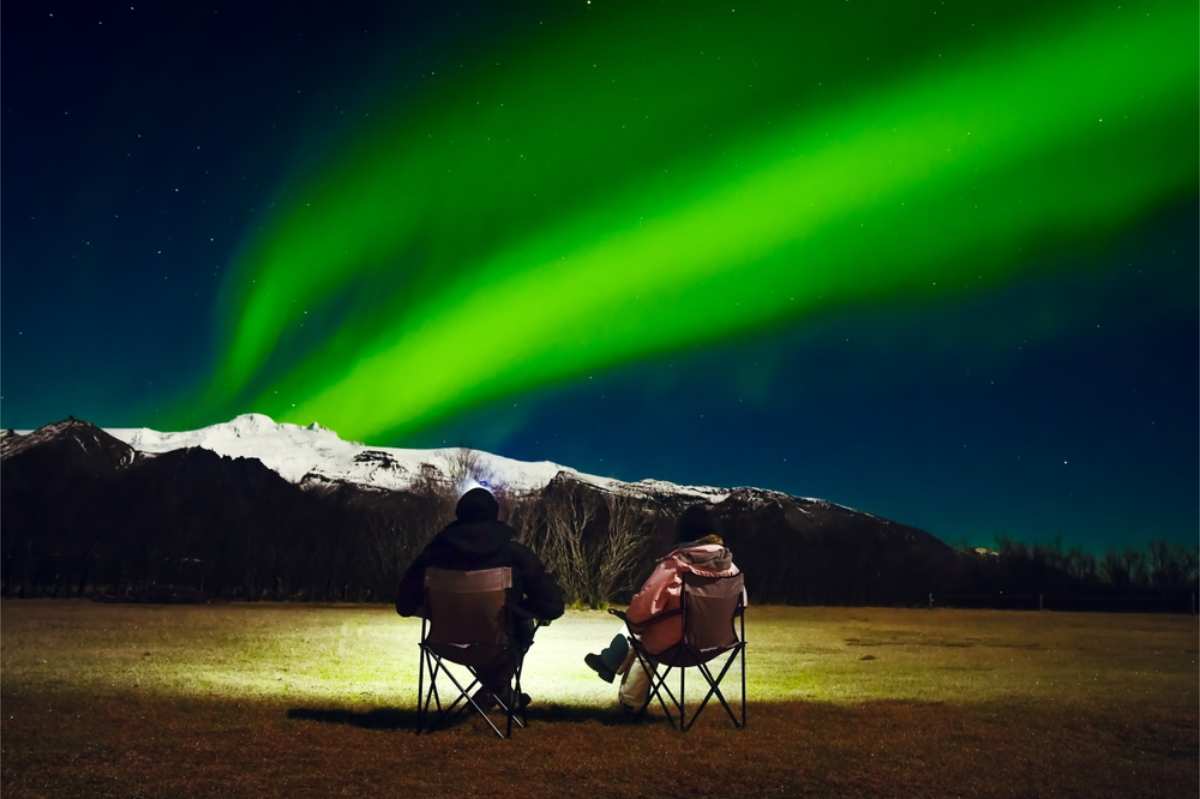
While daylight hours have drastically increased from the 4-5 hours available mid-winter, there will still be enough darkness for the Northern Lights to be spotted. But just keep in mind that the Aurora Borealis only appears under very specific conditions.
It needs to be cold, dark (so no light pollution in towns or cities), and the air needs to be dry. You can ask locals where their go-to spots are for watching the lights or book a spot on one of our Northern Light tours.
You will have an absolute buffet of local attractions and once-in-a-lifetime experiences to choose from when visiting Iceland in March. These are just a few you can consider adding to your trip itinerary:
March will be your last chance to explore these icy caverns before they close for the duration of the warmer months. Words cannot describe what it feels like to walk through these icy walls with black ash streaks of volcanic eruptions that occurred thousands of years ago, already trapped in time.
And the icy formations are simply jaw-dropping. Just remember that this is an activity that can only be done via a guided tour due to safety concerns, so remember to book your spot.
It may be a bit counterintuitive, but you can go hiking on one of our glaciers all throughout the year. Once again, you will need to book a spot on a guided tour where you will be provided with all the necessary gear and equipment to take on your icy stroll with all sorts of interesting ice formations along the way.
The Golden Circle is a popular short loop road with many of the island’s most famous attractions found along the way. This makes for a great day outing or a short road trip option for those with limited time on the island. Some of its most popular sights include Geysir (the OG of all geysers) and Thingvellir National Park (the home of Iceland’s first parliament).
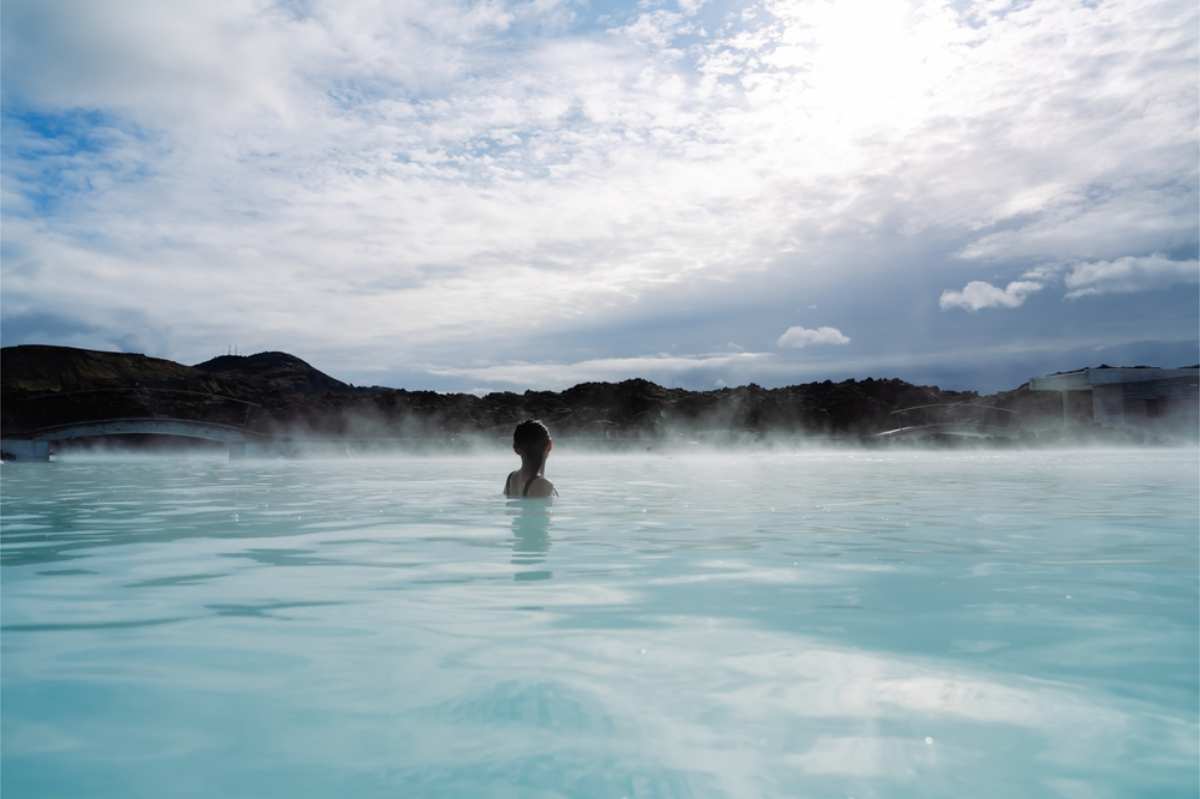
Another famous feature here on the island is our hot springs. This is due to the volcanic activity heating our underground water supply. Today, you can choose to take a dip in one of our hot springs that are still in their original and natural settings (such as the Reykjadalur River) or one of our famous geothermal resorts where our natural hot springs are used in our geothermal pools (such as the Blue Lagoon).
This is actually a double-whammy when it comes to unique activities here on the island. Not only do you get to explore the interesting and contrasting terrain of the Land of Fire and Ice, but you also get to do so on the island’s very own breed of horse: the Icelandic Horse (not very imaginative, we know).
Icelandic Horses are very friendly, short and stocky (making them look more like ponies than full-grown horses), and when you visit Iceland in March, they’ll still be sporting their thick, fluffy winter coats.
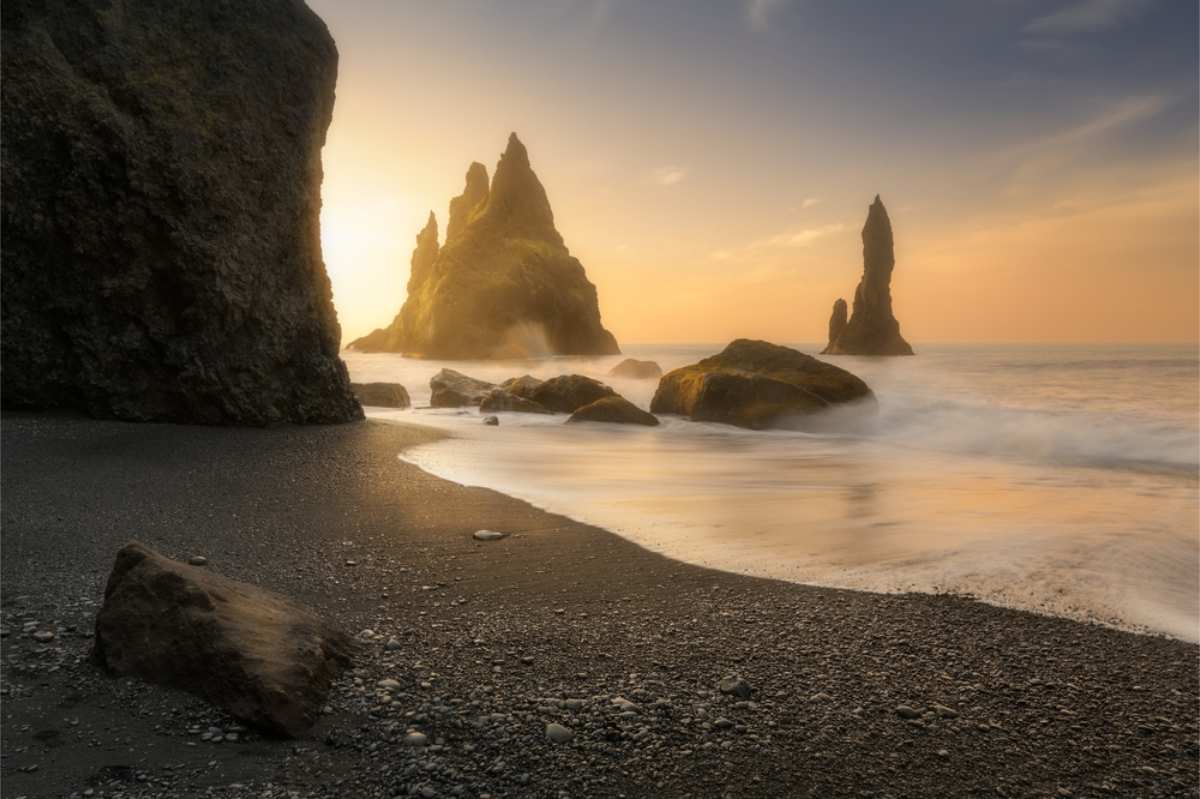
Iceland boasts predominantly black sand beaches. These are not just interesting sights, but a testament to time since the black sand is merely volcanic sediment and rock from past eruptions that’s eroded over thousands and thousands of years. Some of the must-visit black sand beaches in Iceland include Reynisfjara Black Sand Beach and Diamond Beach.
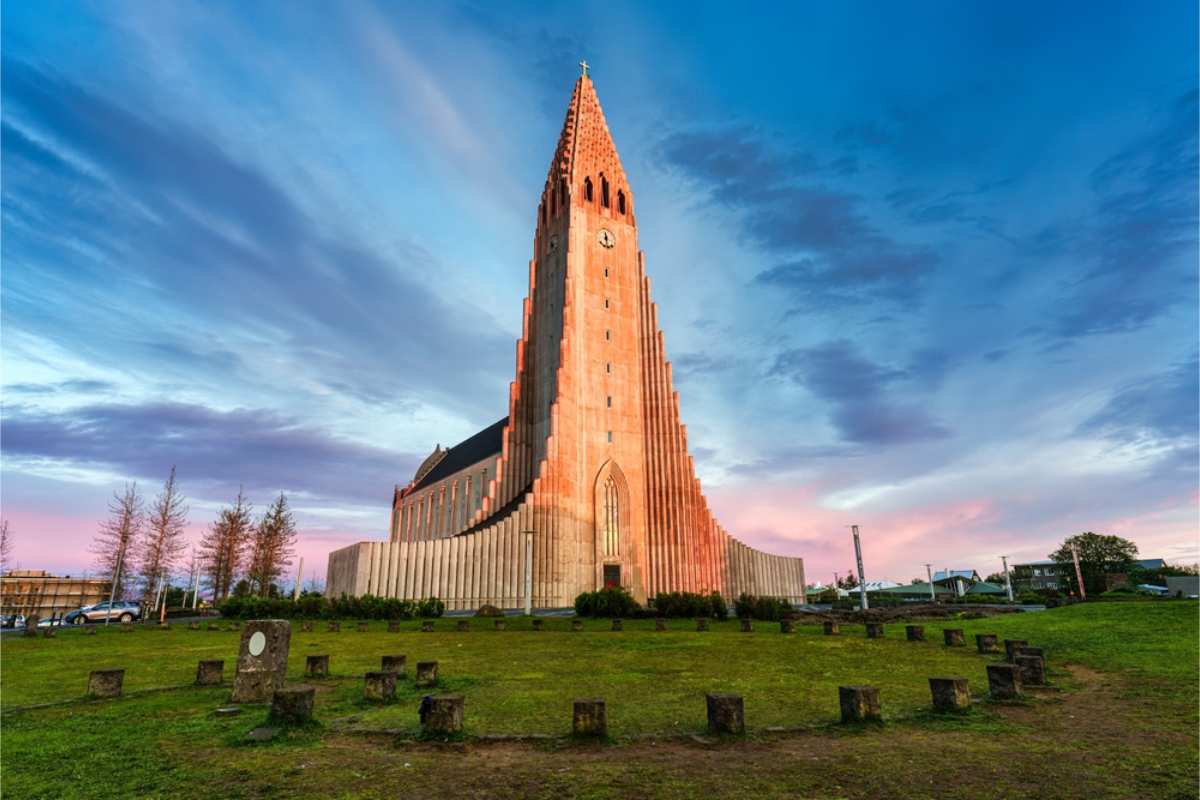
You need to set a day aside to properly explore everything Reykjavik has to offer, from famous landmarks such as Hallgrimskirkja to exciting activities such as the Reykjavik Food Walk and our famous Laugavegur shopping street.
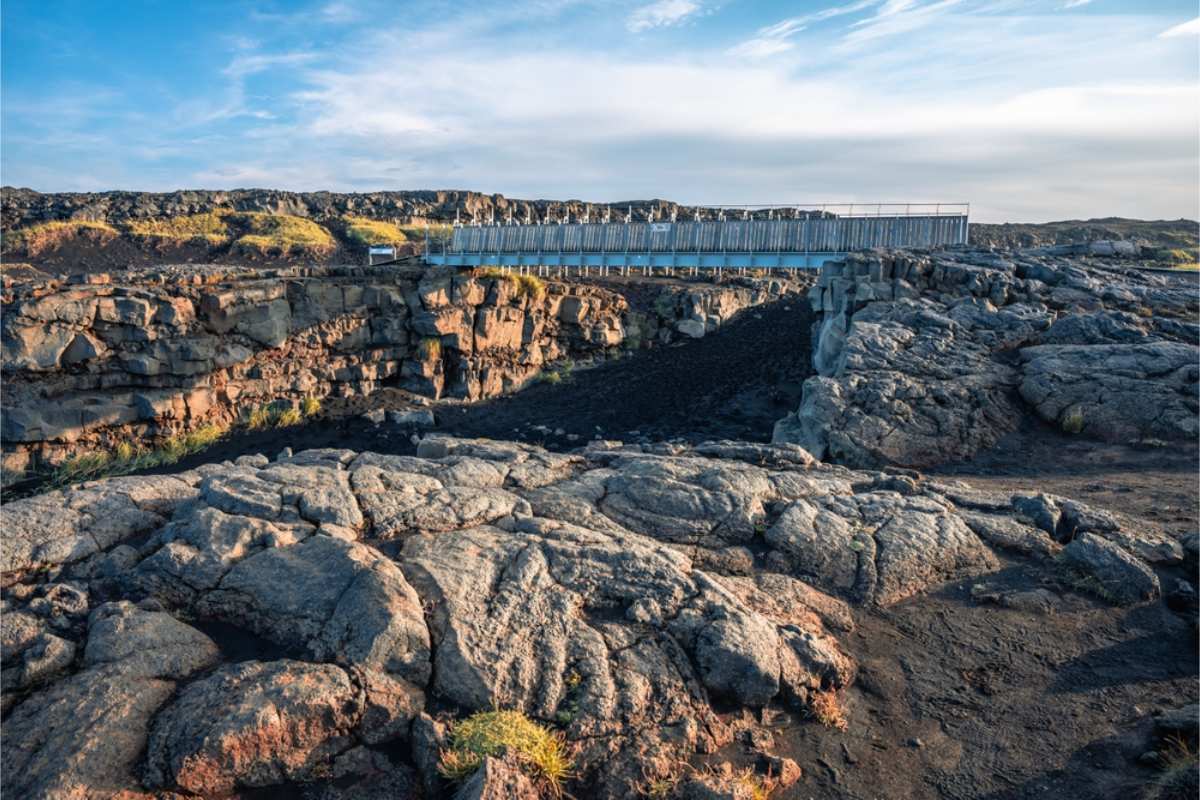
Yes, you heard right. At the Silfra Fissure, you can choose between snorkeling and diving (diving will require an official diving license and sufficient experience), so you can lie suspended in the clearest of glacier water between the North American and Eurasian tectonic plates. If you’re worried about the cold, this is an activity where you’ll be wearing a dry suit, irrespective of season (it is glacial water after all).
Planning a trip to Iceland and March and don’t even know where to start with creating your trip itinerary? Then why not use ours below? You can either use them as inspiration and starting point for creating your own, or you could use them as is:
This itinerary is the best way of seeing as much as possible of the island in a limited amount of time:
This itinerary is absolutely jam-packed and begins the moment you land at Keflavik Airport:
7 Days gives you enough time to take on the Ring Road that wraps itself around the island and gives you a little taste of everything the island has to offer. Here’s what a 7-day Ring Road itinerary looks like:
As we already mentioned, the weather can be fairly fickle here in Iceland, so you’ll need to come prepared and dress in layers. But ultimately, the name of the game is stay warm and stay dry. If you’re not sure what to bring to be prepared and layer up, you can check out our packing essentials below:
Ensure that you tick off the following essentials while packing:

As we already touched on, some roads, such as our F-roads, will still be closed when you visit Iceland in March. Road conditions may also still be a bit challenging with leftover snow and ice from the winter season. That being said, your best bet when it comes to road conditions is our paved main roads, which are kept well-maintained.
This includes our famous Ring Road and the Golden Circle. Although these main roads can easily be driven with a 2-wheel drive, we would recommend renting a 4x4 (just to counter some of the leftover winter elements).
Icelanders don’t need an excuse to celebrate, so we’ve got all sorts of events and festivals throughout the year (especially when daylight increases and the weather takes a turn for the better!). So, if you feel like adding a few local events to your social calendar while in Iceland, consider the following:
Below are the answers to some of the most frequently asked questions we get regarding Iceland in March:
Definitely! The longer daylight hours, better weather conditions, and off-season perks make March a great time to visit Iceland.
Yes, some road conditions can be a bit challenging due to the leftover winter elements, such as ice and snow, and our annual road closures will still be implemented (such as with our F-roads).
The most important thing to take note of when visiting Iceland in March is probably to pack warm and waterproof clothes and gear, pack clothes you can wear in layers, rent a 4x4 (to counter the remaining winter elements), and be sure to take advantage of all winter activities still available.
Absolutely! As a shoulder month, peak season prices along with the peak season crowds are a thing of the past.
Although it’s technically spring in Iceland in March, it’s probably not what you’re used to back home. You’re looking at average temperatures of between -2 and 4 degrees Celsius (28 and 39 degrees Fahrenheit). It’s our northern regions that tend to be the coldest.
At the beginning of March, you’re looking at about 10 hours of daylight each day. But by the end of the month, daylight hours will already be more than 13 hours a day.
You should wear layers, so you can always take something off or put something on as the weather conditions permit.
Absolutely! There’s no reason why you can’t wear your jeans while out and about, but only in the cities and towns, and if it’s a bit nippy, you can just wear your thermals underneath. However, we would not recommend going hiking. That’s when waterproof and windproof clothes and gear become essential.
No. All our paved, main roads and smaller gravel roads leading to local attractions are open, but other roads, such as the F-roads, will still be closed according to our annual road closure schedules.
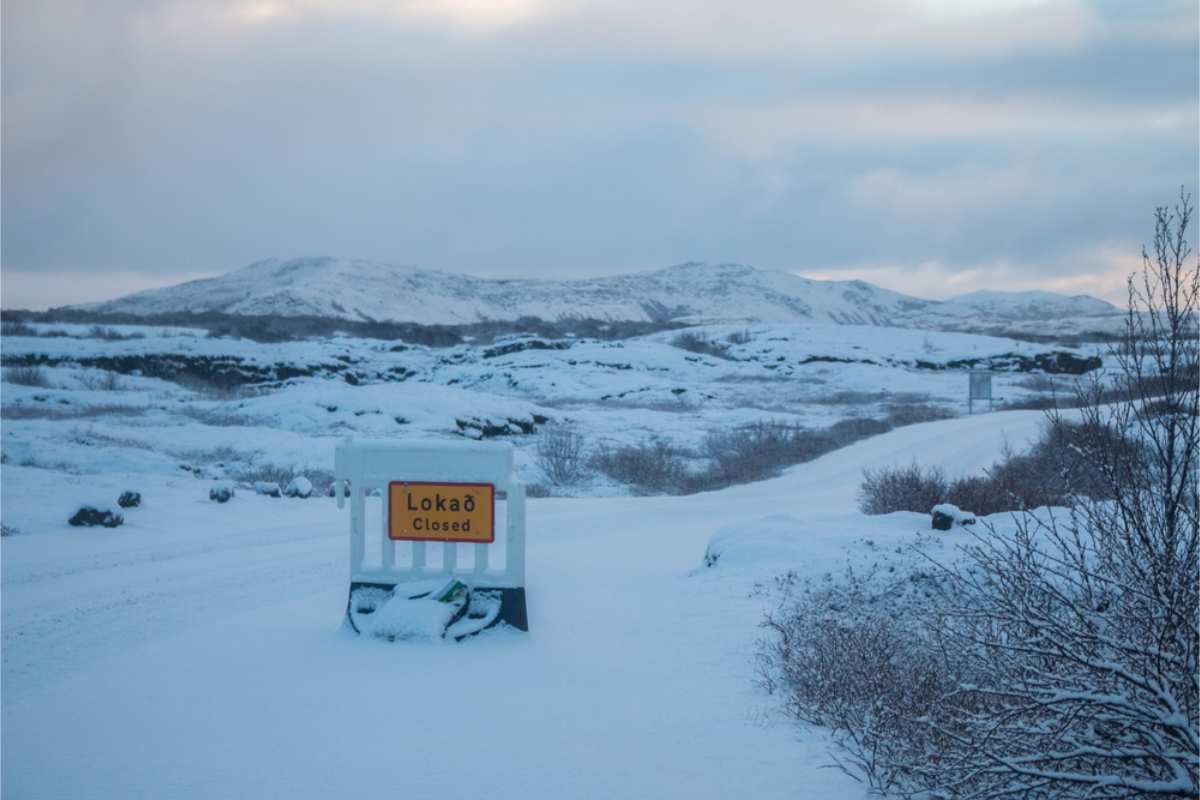
Yes. It may just be a little tricky in some places due to the remaining winter snow and ice, and you’ll need to keep our annual road closures in mind when planning your road trip route.
Yes. Driving in Iceland in March can be pretty safe as long as you check road and weather conditions and use your common sense. Just come prepared and rent a 4x4 to take on any leftover winter elements.
Yes, especially if you visit in early March. But you also need to remember that the Northern Lights only appear under very specific conditions.
Yes. Skiing is one of the exciting winter activities that will still be available to you if you visit Iceland in March.
Yes. Although only the daring will take on our cold pools, there are a myriad of natural hot springs and geothermal pools to choose from.
Unfortunately not. The Puffins only arrive in Iceland from late April.
Although there may still be some random flurries, especially in the northern regions, it won’t be proper winter snow and definitely no strong, crazy winter-like blizzards.
March is not known as one of our wettest months, although some rainfall may occur during your trip.
We have so many interesting sights and attractions in Iceland that it would be absolutely impossible to name them all. You will have to do proper research into your planned road trip route and the various attractions across the island. You can begin by looking at what the capital city of Reykjavik and the Golden Circle, the South Coast Way, and Ring Road routes have to offer.
Some of the winter activities you can still enjoy on your trip to Iceland in March include skiing, ice cave exploring, snowmobiling, dog sledding, and going on a Northern Lights guided tour.
As you can see, visiting Iceland in March is a unique combination of two seasons, offering a myriad of perks, and by renting a campervan in Iceland, you can experience it all by road-tripping around the island. Just use the insights and guidance in this article, and get ready for longer days, epic landscapes, jaw-dropping natural wonders, adrenaline-pumping activities, and unforgettable moments!
Inside this article
More Iceland Stories to Explore
Discover more tips and tales to fuel your next saga
Join thousands who have booked with us
Iceland's most booked campervan of 2025 is waiting. Secure yours today!
Your rental comes with:
Handy Extras
Essential Insurance Plan
Unlimited Mileage
Flexible Cancellation