17 August
15 min read
How to Heat Your Rental Campervan in Iceland


3 August 2026
28 min read
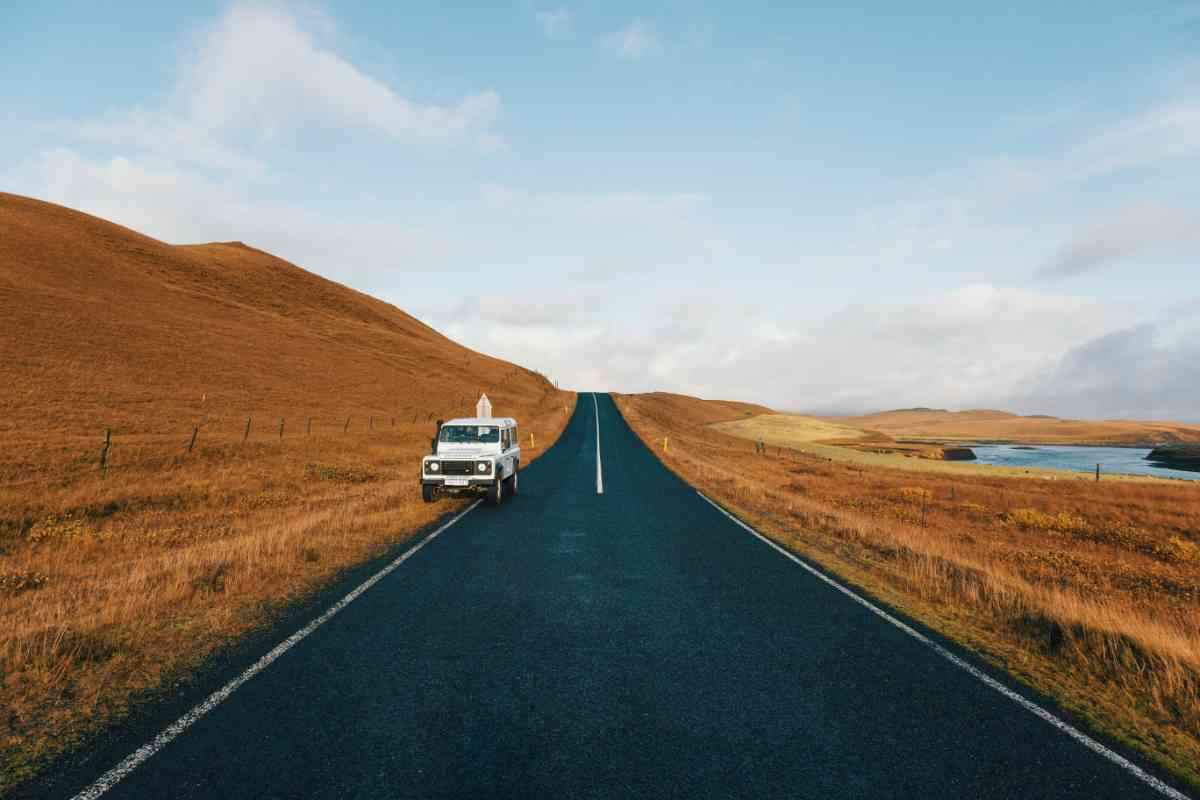
The biggest question a lot of travelers ask is, “How long does it take to drive around Iceland?” The country’s size is deceptive. While you could technically drive around the entire Ring Road in less than 24 hours, you won’t get to see much with that approach. Driving around Iceland requires slowing down a bit, but the amount of time varies depending on your travel style.
By the time most travelers map out the Ring Road properly, they usually end up in the same place. A campervan makes the logistics around booking hotels and timing disappear completely. One of the biggest differences we see with campervan trips is that time stretches in a way most travelers don’t expect; a 7-day Ring Road trip often ends up feeling closer to 8-9 days since you don’t lose time to logistics.
Once you decide to rent a campervan, all that’s left is answering, “How long would it take to drive around Iceland?”
How many miles is it around Iceland? The Ring Road currently covers 1322 km (~821 miles). It largely winds around the exterior of the country, which means it doesn’t really answer “how many miles in Iceland?” But it does give you a general idea of how far you must drive if you want to get around the entire country.

As far as how long to drive around Iceland, this answer varies depending on how often you stop. With the rural speed limit of 90 km/h, occasionally dropping to 50 or 70 km/h as you go through urban areas, you can get around the Ring Road in 17-20 hours, but that leaves no time for stopping and really experiencing Iceland.
Can you drive around Iceland in a day? You certainly can, but the question remains, why would you? In such a short time, you won’t get to truly experience anything and will only watch the country pass by outside your window. So, how long does it take to drive across Iceland with reasonable time for sightseeing? The answer depends on what you expect.
This is exactly where most Ring Road plans fall apart. People try to stitch together hotels across the country. With a campervan, you remove that entire problem. There are no check-ins to worry about, no backtracking, and no racing the clock. A campervan gives you a more balanced timeline where you can easily adjust your itinerary based on the weather or simply your preferences or energy levels. You have the freedom to slow down, explore areas in-depth, and choose where to stay when you’re ready to stop.
Here’s what different trip lengths look like:
If you only have a long weekend to spend in Iceland, traveling the entire Ring Road just isn’t realistic, even in a campervan. Honestly, we don’t see it as an enjoyable experience. You’ll spend most of your time driving from place to place and won’t have much time for stopping or enjoying the sights. You’ll simply be rushing past Iceland’s iconic landscapes.
Instead of tackling the entire Ring Road in a short time, it’s better to choose one or two of the following:

You’ll experience waterfalls, volcanoes, mountains, canyons, black sand beaches, and glaciers, although in a smaller area.
These routes are still a great option for campervan travel because:
A short 1-3 day trip in Iceland is definitely worth it, but most travelers underestimate the ability to get around the Ring Road within this time. It’s enough time to get a small taste of Iceland, but not to experience it all. Instead, just focus on one or two regions and enjoy the flexibility and freedom of campervan travel. You’ll get more out of your trip than trying to get around the entire country in a short time.
This is the point where most travelers start to realize a campervan isn’t just convenient; it’s what makes a 7-day Ring Road trip actually work. In about a week, you have plenty of time to drive the entire route, enjoying the landscapes. However, even with a full week in a campervan, it will still be a fast-paced journey compared to longer trips. But you’ll lose less time on morning check-ins and coordinating your stays, so you have more time for actual experiences.
With this timeframe, you can expect to stop at:
Over the course of your trip, you will likely drive about four to six hours each day and have limited time at each stop. With just a week, plan to prioritize the highlights over detours. However, because you will be traveling in a campervan, you gain:

If you’re visiting in the summer, you may need to plan your campsites in advance, especially along the South Coast or in other popular locations. You should also remember that you will have less room for spontaneous detours, and you may feel rushed, particularly if you generally prefer slow travel.
With 6-7 days, you can easily drive around Iceland, but you won’t be able to explore in-depth. For this kind of fast-paced loop, most of our renters go with a smaller 2WD campervan that’s easier to handle and quicker between stops.
To really experience Iceland, 10-14 days is the timeframe you should aim for to make the most of your trip. A longer trip will feel less like ticking off boxes and more like an immersive experience that lets you really enjoy the landscapes. You will only need to drive about 2-4 hours each day, leaving you plenty of time for hikes, hot springs, and unexpected stops.
With this amount of time, you can expect to:
A 10-14-day trip is where campervan travel outshines other options. You won’t be tied to reservations, so you can chase better weather, experience fewer crowds, and wake up in places where many travelers only get to stop for an hour. You’ll get the perfect balance of exploration, flexibility, and enjoyment.

For most travelers planning the Ring Road, the campervan isn’t the adventurous alternative; it’s the most practical way to make the route actually work within the realistic number of days.
When people ask, “How long does it take to drive around Iceland?”, they’re usually thinking in terms of total distance and driving hours. However, when you’re traveling in a campervan, you look at things a bit differently. With a campervan, you don’t just drive around Iceland; you truly experience your time on the road. Here’s why campervan travel changes how long you need to really see Iceland:
Hotels and guesthouses have specific check-in and check-out times, which can limit when you arrive and leave, and you often have to book months in advance. You also have to pack and unpack each day and may end up backtracking, especially if you change your plans. With campervan travel, however, you can stay longer at a waterfall, leave earlier for a hike, or stop driving simply because you’re tired. You’ll use your time more efficiently, which is beneficial for shorter trips.
Most travelers are aware that the weather can change quickly, but they don’t always understand how that affects their plans. If you’re staying in hotels or guesthouses, you’re stuck with your next accommodation. However, if you’re in a campervan, you can pivot and head to a different region without worrying about finding a place to stay.
For instance:

Campervan travel almost forces you to slow down. You won’t feel the pressure to reach a specific destination because you have a reservation. You can pull off at random viewpoints that draw your attention, spend an hour at a roadside hot spring, take a longer hike, or pull over for photos.
You can’t just stop anywhere and sleep for the night, but unlike hotels, you’ll find campgrounds in many places around the country. However, because you must stay in campgrounds in a campervan, your daily stops will be guided by those locations. Some days may end up longer or shorter than you originally planned, but it’s still important to have a loose plan.
When you rent a car, driving is more about getting from one place to another. However, with a campervan, your rental vehicle is part of the experience. You can cook dinner with a glacier view, wake up to a waterfall outside the window, and watch the Northern Lights late at night with no light pollution and no need to get to a hotel afterward. You’re no longer trying to minimize your drive time; you’re maximizing your experience.
Driving in Iceland is a big part of your campervan trip. While the rules are relatively straightforward, they are strictly enforced, and weather conditions can affect how you drive. Understanding the rules isn’t just about avoiding fines and legal trouble; it’s about staying safe in unfamiliar terrain, rapidly changing weather, and unexpected wildlife encounters.
Many of our renters are surprised by how strict speed enforcement is in Iceland. Speed limits are clearly marked, but they are also consistent, so you can generally figure it out based on the type of road you’re driving. In general, you can expect the following unless otherwise marked:

Keep in mind that speed limits are a maximum speed. Weather and road conditions may require a slower speed. It’s also important to note that Iceland uses speed cameras, and fines are high.
Below are the primary driving rules you need to know before heading out on the road in your campervan:
In addition to knowing the rules of the road, there are some unique driving hazards you should be aware of before your campervan trip. You may encounter:
When planning your campervan route, it’s easy to focus only on the distance. However, in Iceland, you have to think about how the weather and road conditions will affect how fast you travel. If you’re wondering how long it takes to drive around Iceland, it’s important to set realistic expectations.
You’re likely used to driving on paved roads in your home country. While many of the main roads in Iceland are paved, gravel roads are common, especially once you leave the main road. Gravel roads have slower speed limits, and you need to drive more cautiously to avoid damage from stones. Pay close attention to the transition between paved and gravel roads. Don’t brake or accelerate suddenly.
Iceland’s road network wasn’t built for a lot of traffic. The roads are narrow with little to no shoulder, and one-lane bridges require drivers to give way. Blind hills are also frequent. This means that you need to travel slower than you would expect. The distances you see on the map don’t accurately reflect the amount of time it really takes.
The Ring Road isn’t a multi-lane highway that you might expect. Except in Reykjavík, roads are generally only two lanes, one in each direction. Maintaining the speed limit is important, but if you find yourself going slower than other cars, indicate to the right when it’s safe for them to pass or pull over when it’s safe.

The weather is probably the biggest factor in your driving speed. In a campervan, the weather, especially the wind, can dictate your entire day. These are the weather conditions common in Iceland:
You should always build buffer time into your itinerary to allow you to make changes as the weather requires.
The remote regions of Iceland may not be very big, but they pack a powerful punch and are often more challenging to drive. Sharp turns in the road, limited services, and fewer paved sections mean slower driving, especially in a larger vehicle like a campervan. The winding coastal roads, elevation changes, and minimal infrastructure make covering distances take longer.
Unless you’re traveling in the winter, road conditions in Iceland aren’t difficult, but they do demand flexibility and respect. As you plan your trip, stop thinking about distances and start thinking in terms of experiences and conditions.
The time of year you choose for your Iceland campervan trip plays a significant role in how long it takes to drive around Iceland. Road conditions, daylight hours, campsite access, and weather all change dramatically between seasons. The season you choose can easily add or reduce the number of days you realistically need for the Ring Road.
Summer is hands-down the best and easiest time to drive the Ring Road. It’s the most popular time for visitors for many good reasons.
What to expect:

How it affects your timeline:
Campervan considerations:
Trade-off:
Bottom line: If you want the easiest, most flexible, and fastest campervan trip, summer is the ideal season. For a summer Ring road trip, a 2WD campervan is more than enough, unless you plan to head to the Highlands.
Winter is an entirely different experience in Iceland. Snow, ice, and strong winds can make driving conditions more challenging, especially if you’re traveling in a campervan.
What to expect:
How it affects your timeline:
Campervan considerations:
Why people still go:
Bottom line: Winter is an incredible experience, but if your goal is to go around the entire country, expect a slower, less predictable trip. Make a list of open campgrounds, so you know where to stop.
The shoulder seasons give you a good balance of decent weather, flexibility, and atmosphere, making it an excellent time to visit Iceland with a campervan.

What to expect:
How it affects your timeline:
Campervan considerations:
Things to watch:
Bottom line: The shoulder seasons are a great middle ground for campervan travel. You can access more places, but you will need more time and flexibility than traveling in the summer months.
If you’re short on time, but still want to see as much of Iceland as possible, a 7-day campervan itinerary is one of the best ways to do it. The route is fast-paced, but doable in the summer. The key is to embrace early starts, be flexible with your stops, and enjoy the freedom you can only get with a campervan.
Start your trip strong with a tour of the Golden Circle and a start along the South Coast. Keep in mind this fast-paced start isn’t recommended if you’re arriving on an overnight flight. In that case, spend the first night in the Reykjavík campground instead.
Highlights:
Drive Time: ~4-5 hours
Overnight: Campsite near Vík
Tip: Walk behind Seljalandsfoss at sunset (if possible). It can be one of the most memorable moments of your trip.
This stretch is one of the most visually stunning parts of the country.

Highlights:
Drive Time: ~3-4 hours
Overnight: Campsite in Skaftafell or Höfn
Tip: Give yourself time to just sit at the lagoon and soak it all in. This is the perfect spot to slow down.
A quiet, scenic day for driving through the Eastfjords.
Highlights:
Drive Time: ~4-5 hours
Overnight: Egilsstaðir Camping
Tip: This is one of the more remote parts of the Ring Road. Be sure to fuel up and stock up on supplies in town.
Enjoy the geothermal landscapes that make the north truly unique.
Highlights:

Drive Time: ~3-4 hours
Overnight: Campsite in the Mývatn area
Tip: End the day at Earth Lagoon Mývatn; it’s a less crowded alternative to the Blue Lagoon.
This day brings a mix of enjoying the northern towns and breathtaking coastal views.
Highlights:
Drive Time: ~4-5 hours
Overnight: Campground in the northwest, such as Borðeyri
Tip: Stock up on groceries and supplies in Akureyri before continuing on your journey.
Make your way back toward the city with scenic stops.
Highlights:
Drive Time: ~5-7 hours
Overnight: Campsite in western Iceland, such as Varmaland

Tip: If this day feels too long or rushed, consider skipping the Snæfellsnes Peninsula. You should also skip it if you have an early flight the following day.
Wrap up your journey and return your rental campervan.
Options before returning:
Drive Time: ~2-4 hours, depending on the route
The above itinerary can be completed in 7 days, but it is a fast-paced itinerary and doesn’t leave much room for exploring. You’ll spend a lot of time driving and need to remain flexible with your plans. Adding just a few more days opens up more possibilities to enjoy more than just the highlights.
As you plan your route, you may find that you want to go beyond the Ring Road. The flexibility of campervan travel opens the possibilities to explore Iceland more deeply without missing stops simply to make it to your next hotel reservation. The following detours are well worth it if you have some extra time in your itinerary.
The Snæfellsnes Peninsula is one of the most popular detours that campervan travelers often add to their itineraries.
Why it’s worth it:

Campervan experience:
Time required: Adds 1-2 days to your itinerary
Best for: Travelers who want maximum variety without taking a big detour.
Many visitors skip this remote, rugged region of Iceland. However, the epic scenery is worth the detour if you have the time. Many roads here are gravel, narrow, and winding.
Why it’s worth it:
Campervan experience:
Time required: Adds 3-5+ days to your itinerary
Best for: Travelers with extra time who want solitude and adventure over convenience.
The Highlands of Iceland are nature at its rawest. Expect slow travel on F-roads, and stay aware of current weather and road conditions to remain safe. This is where a proper 4x4 campervan is essential and where standard rental cars simply won’t get you.

Why it’s worth it:
Campervan experience:
Time required: Add 1-4 days depending on your route
Best for: Experienced travelers who want a true adventure and are comfortable with challenging conditions.
Every detour you take adds time, but they also add depth to your experience. With a campervan, you have the flexibility to add or remove these detours as needed based on weather, your preferences, and your energy level. Sometimes, the detours you take become the most memorable parts of your journey.
Choosing the right campervan isn’t just about your comfort; it directly affects how fast you can travel, where you can go, and ultimately, how long it takes to drive around the Ring Road. The best option for your trip depends on your route, travel style, and the season you’re visiting. Here’s how to pick the right campervan:
Best for: Couples, solo travelers, budget-conscious trips
Pros:
Cons:
Impact on your timeline: You’ll likely move faster and more efficiently.
Verdict: Perfect if you’re planning a 7-day Ring Road trip and want to keep things simple.
Best for: Couples who want comfort, small groups

Pros:
Cons:
Impact on your timeline: A good middle ground. You’ll travel efficiently, but may drive more slowly in certain conditions.
Verdict: Ideal for a 7-10 day trip, but flexibility is still key.
Best for: Families, groups, long trips
Pros:
Cons:
Impact on your timeline: You’ll likely drive more slowly, especially in windy conditions and remote areas.
Verdict: Best for 10-14 day trips where you’re not rushing and want a more relaxed experience.
Best for: Adventure travelers, Highland routes
Pros:
Cons:
Impact on your timeline: You’ll drive more slowly on remote roads, but you'll gain access to areas many visitors don’t get to see.
Verdict: Essential if you want to visit the Highlands, but often overkill for a basic Ring Road itinerary.
There’s no overall “best” campervan, just one that fits your itinerary and travel style perfectly. In short:
If your goal is to maximize what you see in a limited time, a smaller campervan is the way to go. However, if you have more time or really want to explore, a larger or 4x4 campervan is a better choice.
Driving the full Ring Road takes 17-20 hours of non-stop driving, but that’s not how campervan trips work. You will need 6-7 days for a fast-paced trip or 10-14 days for a more relaxed, immersive experience. With a campervan, you’ll naturally stop more often for views, meals, and overnight stays, making it all a part of the journey.
No, wild camping is not permitted when traveling in a campervan. You must stay in designated campgrounds, so be sure to check for nearby options on tjalda.is. Most campgrounds are well-equipped and spaced around the country for your convenience.
Driving a campervan isn’t much different from driving a traditional car. However, you must stay aware of the weather and road conditions. High winds can affect campervans more easily than cars.
It depends on where you want to go and when you visit. A summer Ring Road trip with a few detours doesn’t typically require a 4x4. However, if you plan to drive the F-roads into the Highlands, a 4x4 is required. Winter driving can also benefit from a 4xx4 campervan.
Summer (June-August) is the most popular time for campervan road trips. You have long daylight hours, open roads and campsites, and the best conditions for driving. The shoulder season comes next with fewer crowds. However, the weather is more unpredictable. Winter brings more challenging conditions with limited daylight and campground accessibility.
While it can be done in less than 24 hours, when you travel by campervan, it’s best to give yourself at least 7-10 days to really explore the country. That’s why most travelers find that campervan trips don’t just feel more flexible; they actually feel longer. You can wake up close to amazing sights, prepare your meals with a glacier view, and adjust your plans as you go based on a whim or the weather. It’s the best way to see the country and immerse yourself in the landscapes.
Once you have a rough idea of how many days you’ll spend on the road, the next step is choosing the right setup. Browse our fleet of campervans to find the right fit for your route.
More Iceland Stories to Explore
Discover more tips and tales to fuel your next saga
Join thousands who have booked with us
Iceland's most booked campervan of 2025 is waiting. Secure yours today!
Your rental comes with:
Handy Extras
Essential Insurance Plan
Unlimited Mileage
Flexible Cancellation