
17 August
15 min read
How to Heat Your Rental Campervan in Iceland


17 August 2026
15 min read
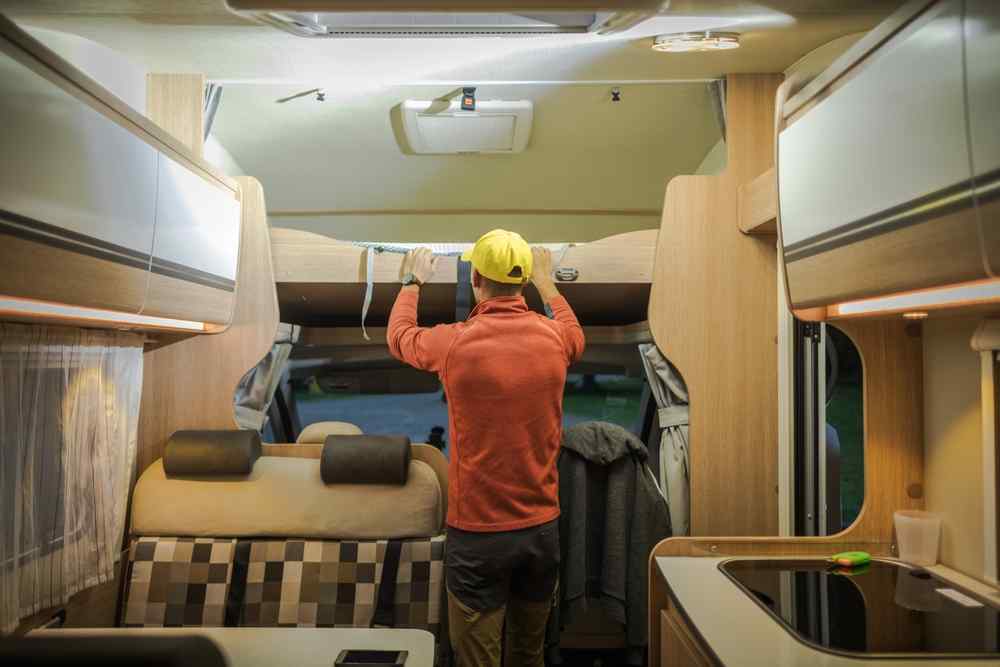
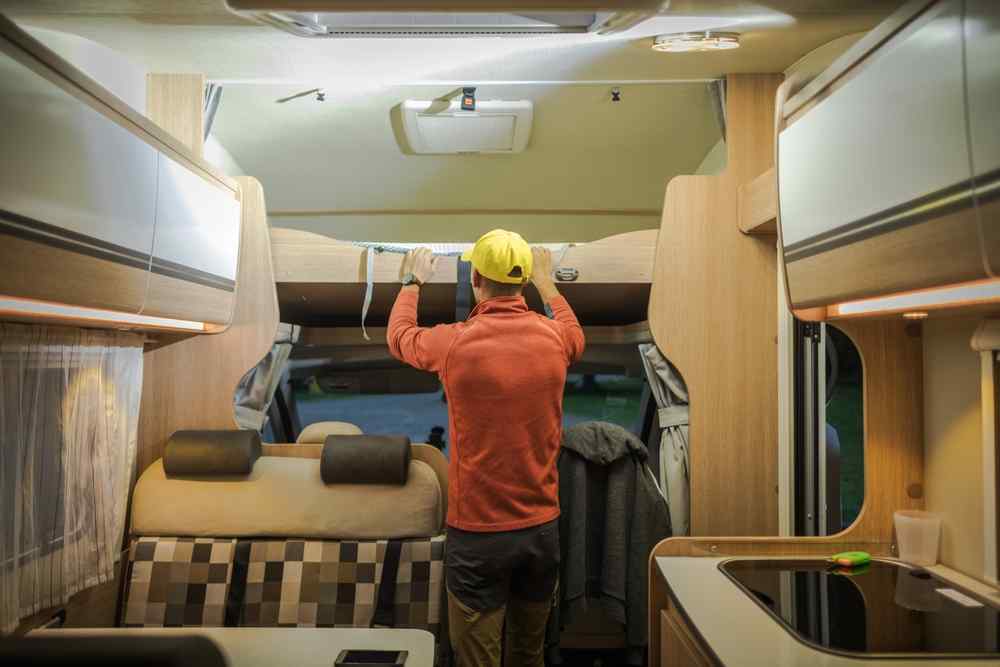
One of the biggest challenges you’ll face when camping is how to heat your rental campervan in Iceland. Temperatures never get extremely warm, and it’s not unusual for temperatures to drop in the evening, even in summer. Most modern campervans in Iceland are built for overnight use in sub-zero conditions and are standard in our fleet.
Traveling the country in a campervan gives you more flexibility and reduces your costs. Here’s how you can keep your traveling experience more comfortable despite Iceland’s fast-changing weather conditions. When used correctly, your campervan’s heater will be your reliable source of comfort.
Yes, many rental campervans in Iceland have heating to help keep you warm on cooler nights. These built-in heaters are usually either diesel or battery-operated on separate systems, so you can run them overnight without draining the main battery. However, not all campervans have built-in heaters, so check before you book. We label which of our campervans include a heater to make your choice clear.
Understanding how campervan heating systems work is essential to help you feel comfortable during chilly nights without the stress of figuring it out on the spot.

Most campervan heating systems run on diesel. These systems are set up to vent well, so there’s no concern about fumes as you sleep. These heaters are adjustable, allowing you to set the temperature and the fan speed for your desired comfort level.
Some campervans are equipped with electric heaters. Some electric heaters use a battery, while others will require campsite hook-ups. These heaters can also be adjusted for your comfort.
Rental campervans generally have independent heating systems for use overnight to avoid draining the resources the vehicle needs to run. Diesel heaters use a small amount of diesel from the campervan’s main tank. Electric heaters, on the other hand, may have a secondary battery separate from the main battery or require plugging into electricity at the campground. Ask your rental agency which type of heater your campervan has when booking.
Overnight heater use is standard practice in Iceland campervan travel, which means rentals are equipped with appropriate solutions. They are often closed systems that vent to the exterior, so you don’t have to worry about fumes inside. The automatic controls regulate the temperature to prevent overheating. Through the night, the heater will cycle on and off to maintain the desired temperature.
A diesel heater will only use a small amount of fuel overnight, so you won’t have to worry about waking up to an empty tank. With a battery-powered heater, check the charge each night. If the battery is too low, the heater will turn off in the middle of the night.
It isn’t always efficient to simply run your campervan heater at max to fight Iceland’s cold nights. There are certain things you can do to maintain optimal efficiency without sacrificing your comfort.
Most people find setting their campervan heater between 15 and 18°C (59–64°F) a comfortable range for sleeping. Although this may seem on the cool side, you will likely be using a sleeping bag, blanket, or duvet as well. Setting the temperature a little lower prevents overheating and creates a comfortable sleeping environment.

We recommend you:
It’s important to know that even diesel campervan heaters use the battery to an extent. Whether you have a battery-operated heater or one that uses diesel, managing your heater properly will avoid draining the battery:
These simple steps will ensure your heater runs throughout the night.
Electrical hook-ups at campsites are most beneficial if you’ll be staying in the same campsite for an extended period or if you are traveling during a colder time of the year. Choosing a campsite with electrical hook-ups allows you to bypass the secondary battery and use power directly. Electrical hook-ups are best used when:
The benefits of using electrical hook-ups for your campervan heating include:

Knowing how to heat your rental campervan in Iceland is just part of staying warm through the night. There are other steps you should take to maintain your comfort as you sleep.
Most Iceland rental campervans are insulated with thicker walls and are designed for cold-weather use, but personal layering can improve your comfort significantly. We recommend:
By protecting yourself from the cold, you can keep the heat lower, saving energy without sacrificing your comfort.
Dampness and moisture in your campervan can make you feel colder. This is one of the biggest challenges you may face. To help control moisture in the van and create a more comfortable sleeping environment, crack a window or open a roof vent. This practice:
It may feel counterintuitive, but opening a window or vent allows air to circulate and removes much of the moisture that can lead to feeling much colder.
While most campgrounds are designed with campervans in mind, where you park in them matters. When you pull into a campground for the night, look for areas where you can park:
Avoid open, exposed areas where the wind can quickly chill the air. Always prioritize designated campgrounds due to strict wild camping laws. These campsites are designed to improve your comfort with proper shelter and optional electrical hook-ups.

Choosing the right heating setup is one of the most important parts of renting a campervan in Iceland, especially outside of summer. Here are some things to think about as you look for the right campervan for your trip.
Before committing to a particular campervan, you should ask your rental company a few questions. Our customers often ask:
Knowing what you’re getting ahead of time avoids unexpected issues later.
Camping in cold weather requires more features than camping in a warmer climate. Even if you’re visiting in summer, Iceland can still be chilly. However, not all campervans are fully equipped for the coldest conditions, which means you’ll need a different campervan in winter than in summer.
If you’re visiting in a colder time of the year, look for the following:

Having the right features guarantees a more comfortable sleeping environment.
Your campervan requirements will vary depending on which season you visit. Your comfort should always be a top priority to avoid feeling miserable on your trip and to ensure you get a good night’s sleep, so you’re ready for a day of exploring.
In short, summer doesn’t necessarily require a heater, but you will still need to dress in layers and have warm bedding. However, in winter, it’s not just about comfort; it’s about survival. Renting a campervan without a heater in winter is one of the biggest mistakes you can make.
Choosing a properly equipped campervan makes heating simple and reliable, even for first-time visitors.
We see travelers make a lot of mistakes when camping in Iceland. Camping here is different from camping in other places around the world. However, knowing the common mistakes can help you avoid making them yourself.

Most heating issues in campervans come from not using them efficiently or making the above mistakes. Knowing what to do ahead of time can save you a lot of trouble and keep you comfortable.
Safety is one of the biggest concerns our customers have when renting a campervan with a heater. The good news is that using your heater is perfectly safe in a campervan. The system runs independently of the engine and is a closed combustion system that vents the fumes outside. These heaters also have built-in safety features that automatically turn the heater off to prevent overheating and fires.
However, there are safety steps you should take:
If your campervan heater stops working, it’s important to check a few things before you reach out to us for help. In many cases, you can resolve the issue yourself. If the heater goes out while you’re sleeping, put on a few more layers and stay under the blankets to maintain your body heat. When you wake up in the morning, take the following steps:
The best season for renting a heated campervan varies based on your priorities and preferences. Let’s take a look at what campervan heating means in each season:
|
Season |
Characteristics |
Heating Needs |
Verdict |
|
Summer (June-August) |
|
|
Least dependent on heating |
|
Shoulder Season (May, September) |
|
|
Best overall balance |
|
Spring & Late Fall (April, October) |
|
|
Transitional and unpredictable weather |
|
Winter (November- March) |
|
|
Heater is necessary |
Iceland campervan heating systems are designed for overnight use in cold climates, and most issues are related to usage rather than system malfunctions. Here are some of the common questions our customers have:
A heated campervan can still be a good choice, but it isn’t essential in the summer months. Temperatures are generally stable and well above freezing, even at night. You can combat the cool evenings by wearing layers to sleep and using a warm sleeping bag or blankets.
Yes, most campervan heaters are designed to run through the night. Keep in mind that the heater will cycle on and off to maintain the temperature you set. However, you must make sure you have enough fuel or battery charge to prevent the heater from turning off.
Unless your campervan’s heater relies on being connected to electricity in a campsite, you can use the heater without a connection as long as you have enough battery charge or fuel. Keep your fuel tank above ¼ and monitor the battery level to avoid losing your heat in the middle of the night. Also, keep in mind that you must stay in designated campgrounds. Wild camping isn’t allowed.
The heater itself doesn’t create condensation, but moisture can build up inside the van if you don’t vent it properly at night. The warm air combined with your breathing can lead to condensation and a damp atmosphere. To avoid this, crack a window or open the roof vent for the night. You should also avoid laying out damp clothes to dry overnight.
Packing for a campervan trip may start the same as any other trip, but there are certain extra things you may need. To help you stay warm and comfortable through the cold nights, we recommend packing:
When renting a campervan in Iceland, staying warm and comfortable should be a top priority. Having a built-in heater is a great way to maintain a comfortable sleeping environment, but it isn’t the only step you should take. Packing the right things and knowing how to make the most of your campervan heating will give you the best experience possible.
Inside this article
More Iceland Stories to Explore
Discover more tips and tales to fuel your next saga
Join thousands who have booked with us
Iceland's most booked campervan of 2025 is waiting. Secure yours today!
Your rental comes with:
Handy Extras
Essential Insurance Plan
Unlimited Mileage
Flexible Cancellation